
Introduction to womens menstrual sanitary pads
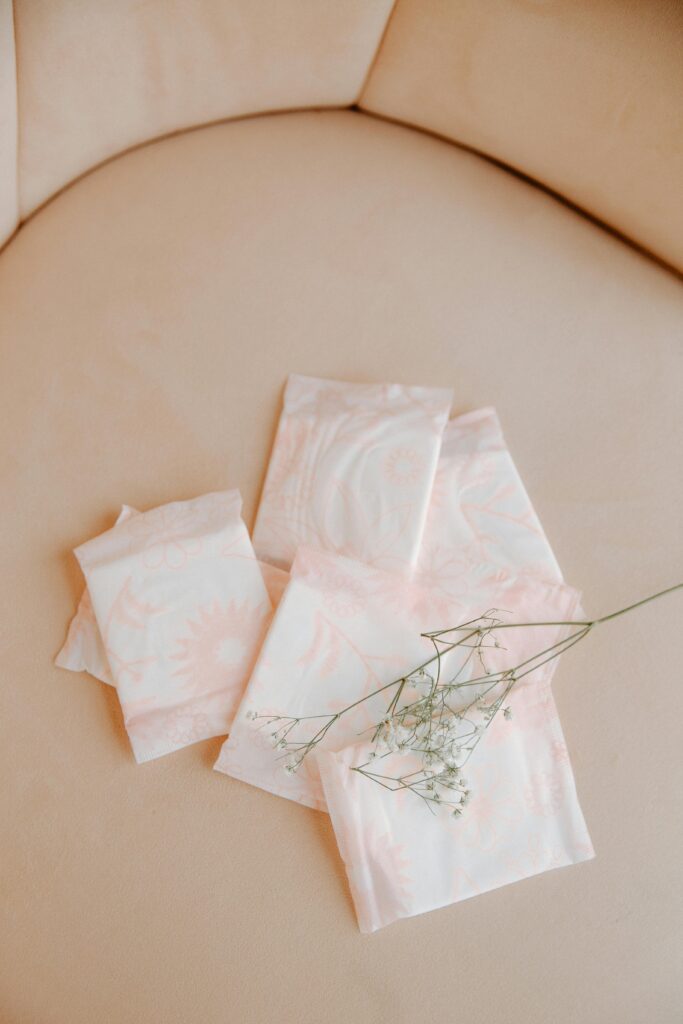
womens menstrual sanitary pads are essential hygiene products used during menstruation to absorb menstrual flow. Today, they are widely available in supermarkets, pharmacies, and small retail stores across Zambia. However, while they may seem simple, the materials used in these products, as well as their impact on health and the environment, deserve closer attention.
In Zambia, access to sanitary pads has improved significantly. Nevertheless, many women still lack information about what these products contain. Therefore, understanding the composition, safety, and available brands can empower women to make healthier choices.
The Importance of Menstrual Hygiene
Menstrual hygiene is not just about comfort; rather, it is directly connected to health, dignity, and confidence.
Physical Health Benefits
First and foremost, proper menstrual hygiene helps prevent infections. When pads are changed regularly, they reduce the risk of bacterial growth. Moreover, clean and breathable materials can prevent skin irritation and discomfort.
Additionally, high-quality pads offer better absorption, which reduces leakage and keeps the skin dry. Consequently, women can go about their daily activities without fear or embarrassment.
Emotional and Social Wellbeing
On the other hand, poor menstrual hygiene can affect confidence. Girls may skip school, and women may avoid work due to discomfort or fear of leaks. Therefore, access to safe and reliable sanitary pads directly contributes to empowerment and equality.
Common Brands of Sanitary Pads in Zambia
Several international and local brands dominate the Zambian market.
Always by Procter & Gamble
One of the most popular brands is Always, manufactured by Procter & Gamble. It is widely known for its ultra-thin pads, wings, and high absorbency levels.
Because of strong marketing and availability, Always remains a trusted choice for many Zambian women. However, like many conventional pads, it contains synthetic materials.
Stayfree by Johnson & Johnson
Another well-known brand is Stayfree, produced by Johnson & Johnson. Stayfree is often appreciated for comfort and softness. Moreover, it offers different absorbency options for light and heavy flow days.
Kotex by Kimberly-Clark
Kotex, owned by Kimberly-Clark, is also available in selected stores. It focuses on comfort and discreet packaging.
Emerging Local and Affordable Brands
In addition to international brands, Zambia also has affordable generic brands sold in markets and small shops. Although they are cheaper, quality may vary significantly. Therefore, consumers must examine packaging information carefully.
Materials Used in womens menstrual sanitary pads
Although many people assume pads are made of simple cotton, the reality is more complex.
Synthetic Fibers and Plastics
Most non-organic pads contain polyethylene plastic backing. This plastic layer prevents leakage. However, it also reduces airflow. As a result, heat and moisture can become trapped, which may lead to discomfort.
Super Absorbent Polymers (SAP)
Furthermore, many brands use super absorbent polymers. These materials can absorb many times their weight in liquid. While they are effective, some concerns remain about prolonged skin contact.
Fragrances and Chemical Additives
Additionally, some pads contain artificial fragrances to mask odor. Unfortunately, these chemicals can cause irritation, especially for women with sensitive skin.
According to the World Health Organization, maintaining proper menstrual hygiene is essential for preventing infections. You can learn more at: https://www.who.int
How Pad Materials Can Affect Women’s Health
Although many women use pads without problems, certain materials may cause issues.
Skin Irritation and Rashes
Because synthetic materials trap moisture, they can create a warm environment. Consequently, bacteria can grow easily. This may lead to rashes, itching, or redness.
Allergic Reactions
Some women are sensitive to fragrances and chemical additives. Therefore, scented pads may cause allergic reactions. Switching to fragrance-free options often solves this problem.
Long-Term Chemical Exposure Concerns
While research is ongoing, some experts express concerns about long-term exposure to trace chemicals. Although levels are generally low, repeated monthly exposure raises questions for health-conscious consumers.
Organic vs Non-Organic Sanitary Pads
The debate between organic and non-organic pads has grown in recent years.
What Makes a Pad Organic?
Organic sanitary pads are typically made from certified organic cotton. They avoid synthetic pesticides, chlorine bleaching, and artificial fragrances.
Advantages of Organic Pads
Firstly, organic pads are more breathable. Therefore, they reduce moisture buildup. Secondly, they are less likely to cause irritation. Moreover, they are biodegradable, which benefits the environment.
Limitations of Organic Pads
However, organic pads can be more expensive. Additionally, they may not always be widely available in rural Zambia. Therefore, affordability and access remain challenges.
Pros and Cons of Non-Organic Pads
Non-organic pads are affordable and highly absorbent. Furthermore, they are easily accessible. However, they may contain plastics and chemicals, which can irritate sensitive skin.
Environmental Impact of Sanitary Pads
Traditional pads contain plastic components that take hundreds of years to decompose. Consequently, disposal becomes an environmental issue. In Zambia, waste management systems are still developing. Therefore, biodegradable options could significantly reduce environmental harm.
How to Choose the Right Sanitary Pad
When selecting womens menstrual sanitary pads, consider the following:
- Choose fragrance-free options if you have sensitive skin.
- Check for breathable materials.
- Consider organic cotton for reduced irritation.
- Compare absorbency levels.
- Evaluate affordability and availability.
Ultimately, the best pad is one that keeps you comfortable, dry, and confident.
Frequently Asked Questions
1. Are organic sanitary pads safer than non-organic ones?
Generally, organic pads reduce exposure to pesticides and fragrances. Therefore, they may be safer for sensitive skin.
2. Can sanitary pads cause infections?
If not changed regularly, any pad can increase infection risk. Proper hygiene is essential.
3. How often should I change my pad?
Ideally, every 4–6 hours. However, during heavy flow, you may need to change more often.
4. Are scented pads harmful?
For some women, yes. Fragrances can cause irritation or allergic reactions.
5. Are organic pads available in Zambia?
Yes, but they may be limited to certain pharmacies and supermarkets.
6. What is the biggest difference between organic and non-organic pads?
The main difference lies in materials. Organic pads use natural cotton, while non-organic pads contain synthetic fibers and chemicals.
Conclusion
In conclusion, womens menstrual sanitary pads are more than just hygiene products; they are essential tools for health, dignity, and empowerment. While many trusted brands are available in Zambia, understanding the materials used is equally important. Moreover, comparing organic and non-organic options allows women to make informed decisions.
Ultimately, knowledge is power. Therefore, by choosing safe, comfortable, and suitable pads, women can protect both their health and their confidence.