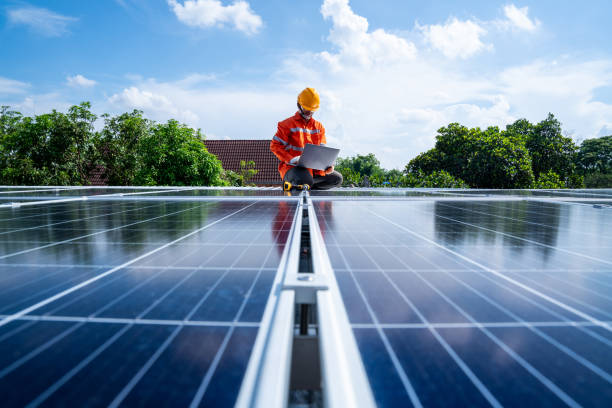
Introduction
In Zambia, loadshedding — or power cuts — is becoming more frequent due to hydropower shortages, growing demand, and grid strain. These blackouts disrupt daily routines, businesses, and study time. Solar energy is no longer just a “nice-to-have” — it’s a practical solution to keep lights on, charge devices, and run critical appliances during outages. In this guide, we’ll explore different solar strategies tailored to Zambia, highlight prominent local solar companies, and provide actionable tips to survive loadshedding sustainably.
Why Solar Is an Ideal Solution for Loadshedding in Zambia
- Energy diversification: Zambia relies heavily on hydropower, making it vulnerable to drought-induced power cuts. Solar provides a decentralised, renewable option to reduce that dependence. Sun Connect+2RES4Africa+2
- Cost effectiveness: Although the initial setup cost is significant, solar systems (especially with batteries) can save money over time by reducing or eliminating backup generator usage.
- Environmental impact: Solar energy helps reduce carbon emissions and mitigates the need for polluting diesel generators.
- Scalability: From small home systems to large commercial installs, solar solutions can be designed to match your budget and energy needs.
- Local empowerment: Working with Zambian solar companies supports the local economy, builds expertise, and ensures reliable maintenance.
Solar Strategies to Handle Loadshedding in Zambia
Here are several solar-based strategies that Zambian households and businesses can use to stay powered during load-shedding:
1. Solar Home Systems (SHS) with PAYGO
Pay-as-you-go (PAYGO) solar systems are a game-changer for many Zambian households, enabling people to pay in manageable instalments.
- VITALITE (now part of Solar Panda): VITALITE pioneered the first fully integrated PAYGO solar home systems in Zambia. Vitalite Group+2EEP Africa+2
- Their SHS kits include LED lights, a solar panel, a battery pack, and mobile phone charging features. Vitalite Group+1
- Payments can be made via mobile money, which is common in Zambia, making the system accessible for low-income households. EEP Africa
- VITALITE has a broad reach with many stores around Zambia. Vitalite Group
2. Solar + Commercial (C&I) Systems
For businesses, farms, schools, and other larger energy consumers, commercial solar systems offer reliable power and financial savings.
- Muhanya Solar Limited: One of Zambia’s leading solar EPC (Engineering, Procurement, Construction) companies. Siaz+1
- They design and install off-grid and grid-tied systems, water-pumping solutions, and heating systems. Siaz+1
- Their base is in Lusaka (7A Paseli Road, Northmead). Muhanya Solar
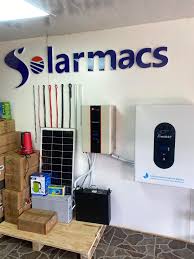
- SolarMacs Energy (Solar Macs Ltd.): A well-established “ecological PV enterprise” in Zambia, offering design, installation, and maintenance for both residential and commercial solar systems. Solar Macs+1
- They provide solar panels, inverters, lithium batteries, and full hybrid systems. Solar Macs
- Their team is local, and their presence in Zambia ensures easier service and support. Solar Macs+1
3. Solar + Battery Backup Systems
Even if you’re connected to the Zambian national grid (via ZESCO), using solar plus a battery bank can ensure that your essential appliances remain on when loadshedding hits.
- How it works:
- Solar panels charge batteries during the day.
- When the grid goes down, the system draws from the batteries to power critical loads (lights, Wi-Fi, phones, maybe a fridge).
- Optionally, you can scale up to a larger hybrid or backup system over time.
- Why this is useful in Zambia:
- Loadshedding schedules can be unpredictable.
- A battery-backed solar system provides peace of mind and stability.
- Local companies like Muhanya Solar and SolarMacs can design a system sized to your home or business.
4. Utility-Scale Solar Projects (Supporting the Grid)
Larger solar farms play an important role in strengthening Zambia’s national grid and reducing the frequency/severity of loadshedding overall.
- Chisamba Solar Plant: A 100 MW solar plant in Chisamba District, recently commissioned, helps feed power into the grid. Wikipedia+1
- Itimpi Solar Power Station: A 60 MW plant owned by Copperbelt Energy Corporation (CEC), located in Kitwe, now contributes significantly to regional power. Wikipedia+1
Practical Tips to Maximize Your Solar System for Loadshedding
- Know your blackout pattern
Track your loadshedding schedule so you can time your solar usage and charging cycles for maximum efficiency. - Prioritize essential devices
During power cuts, focus on using your solar-battery power for high-priority loads: lights, phone charging, Wi-Fi — not everything at once. - Use energy-efficient appliances
Choose LED bulbs, efficient fans or fridges — they use less power, allowing your battery to last longer. - Maintain your system
- Clean your solar panels regularly to maximize output.
- Have a local installer (e.g. Muhanya Solar or SolarMacs) check your system periodically for wiring issues or battery degradation.
- Leverage financing
PAYGO options (through VITALITE/Solar Panda) can make solar more affordable by spreading cost over time. - Be wary of unreliable installers
- Ask for references, prior work, and warranties.
- Confirm that the provider is licensed in Zambia (check with regulatory bodies or trusted local directories).
- Avoid paying the full amount upfront unless you are confident about the company’s reputation. (Some users on local forums warn about less reliable operators.) Reddit
The Advantages of Working with Local Zambian Solar Providers
- Faster maintenance and support: Local companies like SolarMacs and Muhanya can respond more quickly when something breaks or needs servicing.
- Tailored solutions: They understand the challenges of Zambian power supply and can design systems accordingly.
- Boosting the local economy: Supporting Zambian solar entrepreneurs helps create jobs and strengthens the renewable energy industry in Zambia.
- Culturally appropriate financing: Local PAYGO firms understand Zambian consumers and use mobile-money models suited to how people pay in Zambia.
Challenges to Be Aware Of
- High upfront cost: Even the best systems require a substantial initial investment.
- Battery life & replacement: Batteries degrade over time, so plan for long-term costs.
- Installer reliability: Not all solar installers are equal — vet them carefully.
- Regulation & permits: For larger systems, you may need approvals; work with experienced local providers.
- Weather dependence: While Zambia has good sunlight, prolonged rainy periods can affect solar generation.
Conclusion
Loadshedding in Zambia can seriously disrupt life, but solar power offers a powerful, sustainable way to mitigate its impact. By choosing the right setup — whether a PAYGO home system, a commercial installation, or a solar-battery hybrid — you can maintain critical power even when ZESCO fails. Trusted Zambian companies like VITALITE (Solar Panda), Muhanya Solar, and SolarMacs Energy make it possible to access high-quality solar systems that are tailored to the Zambian market. Investing in solar now isn’t just about surviving blackouts — it’s about building a more resilient, self-reliant future.