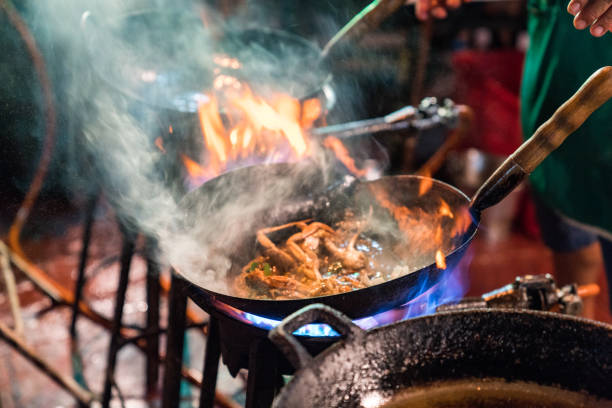
Zambia’s street food scene is vibrant, bustling, and deeply rooted in tradition — yet full of creative flavors that reflect both its rural heritage and its urban energy. Whether you’re wandering through Lusaka, Ndola, or any busy market town, you’ll encounter a colorful world of snacks, savory treats, and sweet bites. Here’s a tour through some of the most popular and beloved street foods that truly define Zambian street fare.
1. Roasted & Boiled Maize: The Classic Corn on the Cob
First and foremost, maize — Zambia’s staple — plays a starring role in street food culture. Vendors roast maize over charcoal, giving it a smoky, slightly charred flavor. Alternatively, you’ll find boiled maize (corn on the cob), served simply with salt or chili for a quick, satisfying snack. Because it’s cheap, portable, and delicious, it’s the go-to street treat for many.
2. Vitumbuwa: Sweet Fritters for Anytime Snacking
Vitumbuwa are deep-fried dough balls that look like little fritters or doughnuts. Travel Guide for the World+1 They tend to be slightly sweet, fluffy on the inside, crispy on the outside, and are typically sold near bus stops, office areas, or schools. Since they are cooked fresh in boiling oil, their high turnover makes them a perfect “grab-and-go” treat any time of day. Chef’s Pencil
3. Tute ne Mbalala: Cassava and Groundnuts
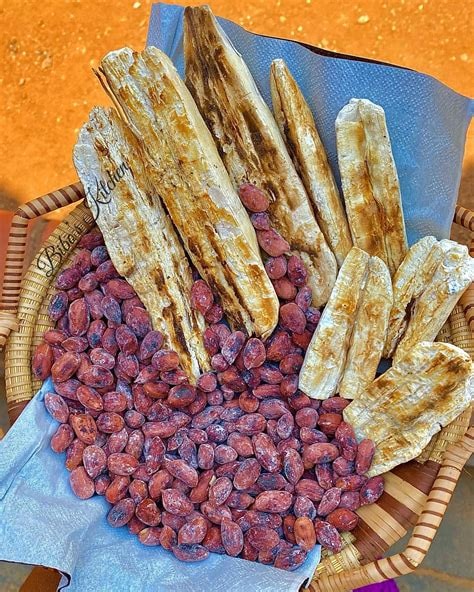
Another street favorite is Tute ne Mbalala, a snack that pairs roasted cassava with groundnuts (peanuts). Chef’s Pencil The cassava is softened (often soaked) before being roasted, and the groundnuts are roasted too — together, they offer a hearty, nutty, and slightly crunchy bite. Chef’s Pencil+1 This combo is commonly sold in markets and busier foot-traffic areas, making it both filling and accessible.
4. Chikanda: The Unique “African Polony”
One of Zambia’s most distinctive street foods is Chikanda, sometimes called the “African polony.” Wikipedia+1 It’s made from wild orchid tubers and ground peanuts mixed with spices, steamed into a loaf, then sliced. youthvillagezm.com+1 Its “meaty” texture and earthy flavor make it a favorite among locals. Notably, it’s deeply tied to Zambian cultural traditions, and today it’s commonly sold by street vendors. nkwazimagazine.com
5. Michopo / Nyama Choma: Grilled Meat Skewers
Meat lovers will gravitate toward the sizzle of michopo (or nyama choma), which are grilled skewers of beef, goat, or chicken. Chef’s Pencil Vendors roast these over open flames, often serving them with spicy sauces, onions, and sometimes nshima or fried plantains. Mexico Histórico+1 The smoky, charred flavor is irresistible — and they’re a late-evening street favorite.
6. Kapenta: Crispy Little Fish Delights
Kapenta — small dried or fried fish — is another common street offering. youthvillagezm.com These tiny fish are often fried with onions and tomatoes or rehydrated; locals enjoy them as a salty, protein-rich side or snack. The Grace Near lakeside communities, grilled tilapia or kapenta skewers also pop up regularly on the streets. afromag.co.za
7. Ifinkubala: Fried Caterpillars
Yes, you read that right — ifinkubala are fried caterpillars, and they’re not just eaten, but celebrated. youthvillagezm.com These protein-rich insects are typically seasoned, fried until crunchy, and sold as a snack that’s both traditional and surprising to many visitors. While they may not be for everyone, for locals they’re a flavorful and nutrient-dense treat.
8. Ifisashi: Savory Greens in Peanut Sauce
Some street stalls go beyond snacks to serve more “meal-style” food. Ifisashi is one such dish, made with leafy greens — like pumpkin leaves or spinach — cooked with groundnuts (peanuts) to form a rich, savory relish. youthvillagezm.com It’s often paired with nshima, making it a nutritionally balanced plate that fills you up but doesn’t feel heavy.
9. Mandazi (or Zambian Doughnuts)
Sweet tooth? Zambian street food has you covered with mandazi, deep-fried doughnuts flavored with things like coconut milk, cinnamon, or cardamom. youthvillagezm.com These treats are light, fluffy, and perfect with a cup of tea — or just enjoyed on their own as a quick dessert.
10. Munkoyo: A Local Refreshing Drink
To wash it all down, many street vendors sell munkoyo, a traditional fermented drink made from maize and roots. The Grace It’s slightly sweet, mildly sour, and very refreshing — ideal for quenching your thirst while taking in the lively street food energy.
Why Zambian Street Food Is So Special
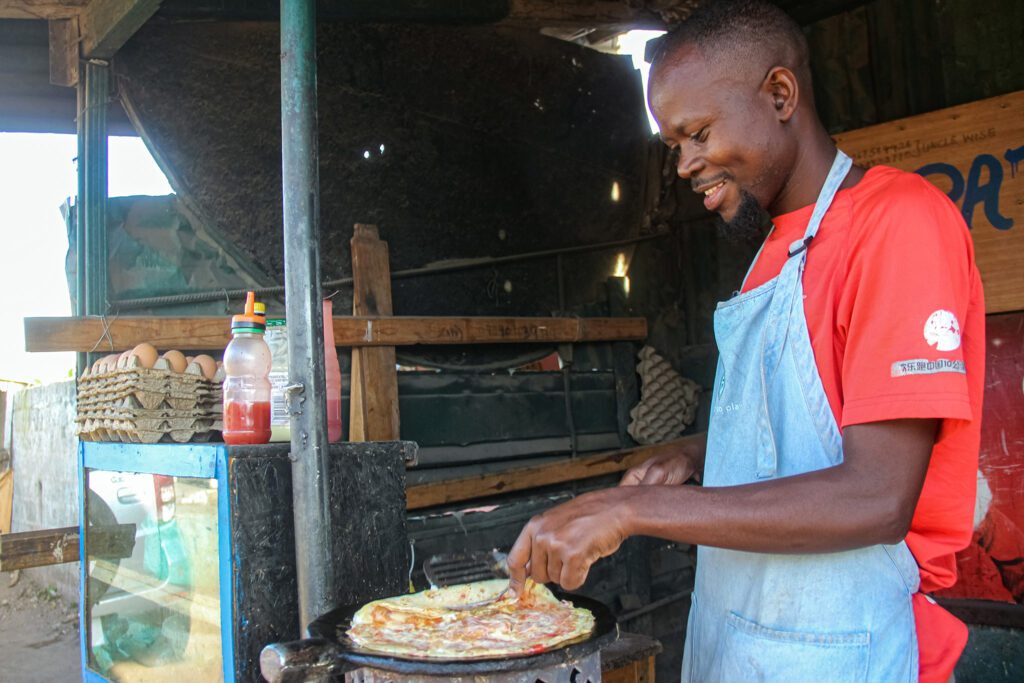
- Cultural Roots: Many of these foods come from Zambia’s rural traditions but have found a place in urban street culture. nkwazimagazine.com
- Affordability: Street food in Zambia provides cost-effective nourishment — many items are cheap, filling, and readily accessible. afromag.co.za
- Community: Street food stalls are gathering points — from busy markets to bus stops — creating a sense of community and shared culinary experience. Explore Lusaka
- Flavor Diversity: There’s something for every palate — whether you want savory meat, smoky vegetables, sweet dough, or unconventional proteins (like caterpillars!).
Tips for Enjoying Street Food Safely in Zambia
- Go where there’s turnover: Vendors with constant business are more likely to have fresh food. nkwazimagazine.com
- Watch it being cooked: Try to buy foods that are prepared on the spot, not ones sitting out for too long.
- Stay hydrated: Pair your street food adventure with fresh drinks — like munkoyo — to keep things balanced.
- Be adventurous, but respect your limits: Some treats (like ifinkubala) are uncommon in many places — be open to try, but don’t feel pressured.
FAQs — Zambia’s Common Street Foods
1. What are the most common street foods in Zambia?
Some of the most popular street foods include roasted or boiled maize, vitumbuwa (sweet fried fritters), chikanda (the “African polony”), ifisashi (greens in peanut sauce), kapenta (small fried or dried fish), cassava with groundnuts (tute ne mbalala), and ifinkubala (fried caterpillars). youthvillagezm.com+2Chef’s Pencil+2
2. What is chikanda and why is it called “African polony”?
Chikanda is a traditional Zambian snack made from wild orchid tubers and groundnuts (peanuts), mixed with baking soda or ash water, and steamed into a loaf-like cake. Wikipedia+1 Its texture is somewhat similar to bologna (or polony), which is why it’s sometimes called “African polony.” Wikipedia
3. Is ifisashi healthy, and what is it made of?
Yes — ifisashi is quite nutritious. It’s made from leafy greens (like pumpkin leaves or spinach) cooked in a groundnut (peanut) sauce. Wikipedia+1 Because of the greens and the peanuts, it offers a good mix of vitamins, minerals, and protein.
4. What is vitumbuwa?
Vitumbuwa are deep-fried dough balls, similar to fritters or doughnuts. They are slightly sweet, crispy outside, and soft inside. Vendors often sell them near bus stops, workplaces, and schools. Chef’s Pencil
5. Are insects like caterpillars commonly eaten as street food in Zambia?
Yes — ifinkubala (fried caterpillars) are a traditional and protein-rich street snack in Zambia. youthvillagezm.com+1
6. What is kapenta and how is it usually prepared on the street?
Kapenta refers to very small fish, often sun-dried or fried. On the street, vendors may fry them with onions and tomatoes or serve them as crunchy, salty snacks. Tourist Secrets
7. Is there a typical drink sold by street vendors in Zambia?
Yes — munkoyo is a traditional mildly fermented drink made from maize and roots. Wikipedia+1 It’s slightly sour and refreshing, making it a great companion to savory street food.
8. How do I choose a safe street food stall in Zambia?
To eat more safely:
- Pick vendors with high turnover, because fresh food is more likely. Zambia Tourism
- Watch food being cooked right in front of you, rather than food that’s been sitting out for a long time. Nkwazi Magazine+1
- Carry smaller cash denominations — many street vendors don’t accept cards. Explore Lusaka
9. Are there any legal or health concerns related to street food in Zambia?
Yes, there can be. For instance, the government has previously warned some street food traders about hygiene risks, especially with ready-to-eat foods. lusakatimes.com Also, choosing vendors carefully can reduce your risk of foodborne illness.
10. Can I find traditional sit-down meals on the street, not just snacks?
Absolutely. In some street food stalls — especially in larger cities — you can get full plates of nshima (the maize-based staple) paired with relishes such as grilled meat, vegetables, or kapenta. Explore Lusaka