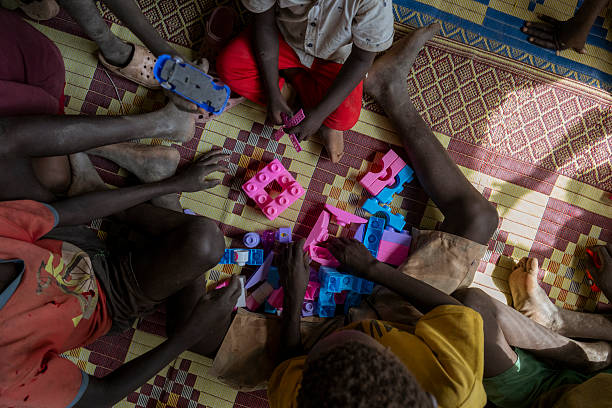
Zambia is a country rich in cultural tradition, where warm hospitality, strong respect for elders, and a deep sense of community define daily interactions. If you’re visiting or simply want to understand Zambian society better, knowing these norms and etiquette practices can help you connect more authentically. Below, we explore key aspects of Zambian cultural etiquette — from greetings and respect to dress, communication, and more.
1. Greetings and Showing Respect
First and foremost, greetings are central in Zambian culture. When you meet someone, especially for the first time, a handshake is very common. However, in more traditional or rural settings, people may bow slightly, or women might kneel to greet elders — gestures that express humility and respect.
Secondly, language plays a role. While English is widely spoken, many Zambians also use local greetings like “Muli bwanji?” (Nyanja) meaning “How are you?” You’ll often hear people ask about your family or well-being before diving into the main conversation — it’s a way of building rapport and showing genuine care.
Moreover, when greeting elders or people of higher status, it’s polite to address them with honorifics such as “Uncle,” “Auntie,” or Sir/Madam, unless they explicitly ask you to use their first name.
2. Respect for Elders
In Zambian society, respecting elders is deeply ingrained. Younger people often wait for elders to be greeted first, and they may even kneel or bow slightly during the greeting, especially in more traditional communities.
In conversations, interrupting an elder is generally considered rude — patience and deference go a long way. Also, when receiving something from an older person, it’s respectful to take it with both hands.
3. Body Language & Non-Verbal Communication
Non-verbal cues matter a lot in Zambia. For instance, while shaking hands is common, in some traditions people may clap lightly as part of the greeting — especially as a sign of respect. Also, pointing with the finger is often frowned upon; instead, people use an open hand to gesture.
Eye contact is nuanced: while a friendly smile and some eye contact show sincerity, younger people may avoid prolonged direct eye contact with elders as a sign of respect.
4. Communication Style
Zambians tend to value warmth and indirectness in conversation. Rather than jumping straight into business or the “point,” people often begin with small talk: asking about one’s health, how the family is doing, or how the journey to meet you went.
Furthermore, “Zambian time” reflects a more flexible sense of punctuality in social settings. In casual or social events, it’s not uncommon for things to start a little late. However, in formal or business meetings, more punctuality may be expected.
5. Dress and Appearance
When it comes to dress code, modesty is generally appreciated. In urban areas, casual clothes are fine, but when visiting rural communities, religious sites, or traditional ceremonies, it’s respectful to dress conservatively: shoulders and knees covered are often advisable.
Traditional clothing also plays a role: many Zambians wear colorful chitenges (wrap-around fabrics) during cultural or family events. Meanwhile, modern western-style clothing is common as well, especially in cities.
6. Hospitality and Community
Hospitality is one of Zambia’s most cherished cultural values. In many communities, welcoming a guest is not just polite — it’s a duty. Hosts often offer the best they have, and even strangers may receive warm, generous treatment.
If you’re invited into someone’s home, it’s polite to bring a small gift — perhaps fruit or snacks — as a token of appreciation. And when it’s time to eat, wait for your host or the eldest person to start first.
7. Dining Etiquette
During meals, Zambians often share food communally, and the way you eat reflects respect. Use your right hand or both hands when receiving or passing food.
Additionally, it’s polite to allow elders or guests to begin eating first. Leaving a small amount of food on your plate is sometimes interpreted as a sign that you are satisfied — not wasteful.
8. Avoiding Social Missteps
To navigate Zambian norms smoothly, here are some common cultural pitfalls to avoid:
- Using the left hand for giving or receiving items: This can be seen as disrespectful.
- Public displays of affection: Kissing or hugging in public, especially in social or rural settings, may make people uncomfortable.
- Discussing sensitive topics: Avoid politics, tribal conflicts, or religion with people you don’t know very well — such topics can be delicate.
- Rushing through interactions: Patience is valued; taking time to greet and talk is more important than speed.
9. Cultural Traditions & Ceremonies
Zambia is ethnically diverse, and many traditions still thrive in different regions. For example, among some communities, there is a ritual called mukanda for boys at puberty, where they go into seclusion, learn cultural responsibilities, and are taught how to be men.
Traditional dances also remain significant. The Vimbuza dance, for instance, is performed by the Tumbuka people and has spiritual importance. Meanwhile, the Fwemba dance of the Tumbuka expresses both celebration and deep communal identity.
10. Core Cultural Values: Ubuntu & Community
Underpinning Zambian behavior is a strong sense of interconnectedness. Many Zambians embrace a philosophy similar to Ubuntu — “I am because we are” — which emphasizes community, shared responsibility, and mutual support.
Because of this, people often ask about each other’s well-being, help each other out, and value social harmony over individualism. This communal mindset is at the heart of many traditional practices and continues to shape modern interactions.
Conclusion
In summary, Zambian cultural norms are deeply rooted in respect, community, and warm hospitality. From the way people greet each other to the importance placed on elders, from modest dress to shared meals — these customs reflect a society that values connection, tradition, and mutual care.
Whether you’re visiting Zambia or simply trying to understand its people, being aware of these norms will help you build trust, show respect, and truly appreciate Zambian culture. After all, cultural understanding isn’t just about learning rules — it’s about recognizing what people in a place hold dear.