Discover why therapy and mental health matter more than ever in Zambia. Learn about cultural beliefs, stigma, and why professional therapy is essential for emotional well-being.
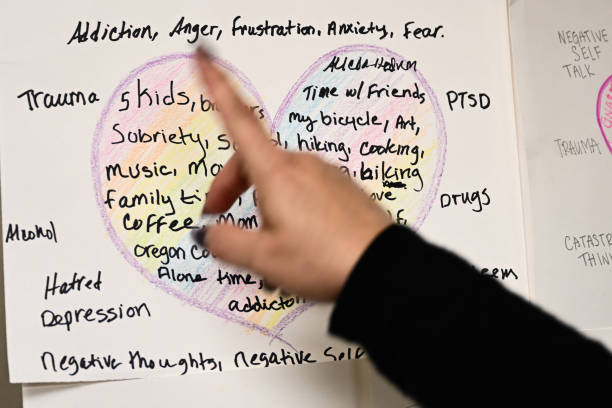
Introduction: Why Therapy and Mental Health Matter More Than Ever
In recent years, conversations around therapy and mental health have grown worldwide. However, in Zambia, the topic still carries heavy cultural weight, misconceptions, and stigma. Many people silently struggle with emotional pain, stress, trauma, and depression, believing that therapy is unnecessary or meant only for “serious cases.”
Yet, the truth is simple and powerful: mental health is just as important as physical health. Just as we seek medical help when our bodies are unwell, we must also seek professional support when our minds are overwhelmed. This article explores the importance of therapy, common Zambian cultural beliefs about mental health, and why embracing therapy can lead to healthier individuals, families, and communities.
Understanding Therapy and Mental Health
What Is Therapy?
Therapy, also known as counseling or psychotherapy, is a professional process that helps individuals understand their thoughts, emotions, and behaviors. Through guided conversations, trained therapists help people cope with life challenges such as:
- Stress and anxiety
- Depression
- Grief and loss
- Trauma and abuse
- Relationship problems
Therapy does not mean weakness. Instead, it is a tool for growth, healing, and self-awareness.
What Does Mental Health Really Mean?
Mental health refers to emotional, psychological, and social well-being. It affects how we think, feel, act, and relate to others. Good mental health helps people handle stress, work productively, and contribute meaningfully to society.
Cultural Beliefs About Therapy and Mental Health in Zambia
“Strong People Don’t Need Therapy”
One common belief in Zambia is that strong people should endure hardships silently. Expressing emotional pain is often seen as a sign of weakness, especially among men. As a result, many individuals suppress their struggles instead of seeking help.
Mental Health Is Often Linked to Witchcraft or Spiritual Failure
In some communities, mental health conditions are misunderstood and attributed to witchcraft, curses, or lack of faith. While spirituality plays an important role in Zambian culture, relying only on spiritual explanations can prevent people from accessing professional care that could truly help them heal.
Family Matters Should Stay Private
Another widespread belief is that personal or family problems should never be discussed with outsiders. Therapy is sometimes viewed as “exposing family issues,” which discourages many from seeking counseling even when they are suffering deeply.
Why These Beliefs Can Be Harmful
While cultural values are important, some beliefs unintentionally cause harm. Avoiding therapy can lead to:
- Worsening mental health conditions
- Increased substance abuse
- Family conflict and breakdown
- Poor work or academic performance
- Untreated trauma passed down through generations
Ignoring mental health does not make problems disappear—it often makes them grow.
The Importance of Therapy and Mental Health in Modern Zambia
Rising Stress and Life Pressures
Urbanization, unemployment, academic pressure, financial stress, and social media expectations are affecting many Zambians, especially young people. Therapy provides a safe space to process these pressures in a healthy way.
Healing Trauma and Loss
Zambia, like many nations, has faced health crises, economic challenges, and personal losses. Therapy helps individuals work through grief, trauma, and emotional pain instead of carrying it alone.
Strengthening Families and Relationships
Healthy minds lead to healthy relationships. Therapy helps couples, parents, and families communicate better, resolve conflicts, and build stronger emotional bonds.
Breaking the Stigma Around Therapy in Zambia
Education and Awareness
The more people understand what therapy truly is, the less fear surrounds it. Mental health education in schools, churches, workplaces, and communities can change harmful narratives.
Combining Cultural Values With Professional Care
Therapy does not replace cultural or spiritual practices. Instead, it can work alongside them. Many therapists respect cultural backgrounds and help clients integrate their beliefs into the healing process.
Role Models Speaking Out
When leaders, influencers, and everyday people openly discuss mental health, it sends a powerful message: seeking help is normal and brave.
Benefits of Embracing Therapy and Mental Health Support
- Improved emotional regulation
- Better stress management
- Increased self-confidence
- Healthier coping skills
- Stronger relationships
- Greater productivity and focus
Therapy equips individuals with lifelong tools, not just temporary relief.
FAQs About Therapy and Mental Health
1. Is therapy only for people with serious mental illness?
No. Therapy helps anyone dealing with stress, emotions, or life challenges.
2. Can therapy work alongside prayer and faith?
Yes. Therapy and faith can complement each other and support holistic healing.
3. Is therapy confidential in Zambia?
Professional therapists follow strict confidentiality guidelines.
4. Are men encouraged to seek therapy?
Absolutely. Mental health affects everyone, regardless of gender.
5. Is therapy expensive?
Costs vary, but many organizations and NGOs offer affordable or free mental health services.
6. Where can I learn more about mental health support?
You can explore global resources like the World Health Organization’s mental health page for reliable information:
Conclusion: A Healthier Zambia Starts With Mental Well-Being
The future of Zambia depends not only on economic growth but also on the emotional well-being of its people. Embracing therapy and mental health is not abandoning culture—it is strengthening it. By challenging harmful beliefs, encouraging open conversations, and seeking professional support, individuals can live fuller, healthier lives.
Healing the mind is not a sign of weakness. It is a powerful step toward personal growth, stronger families, and a resilient nation.