In Zambia, consumer awareness around health, natural products, and sustainable living is growing rapidly. More Zambians are looking beyond conventional options and seeking wellness brands that are locally-rooted, transparent about sourcing, and committed to organic or clean-ingredient practices.
This article highlights 10 exceptional wellness and organic-product businesses in Zambia, each chosen for their commitment to quality, local sourcing, ethics and innovation. For each business you’ll find what they do, why they stand out, and how they contribute to the wellness ecosystem in Zambia.
Let’s dive in.
1. Umoyo Natural Health


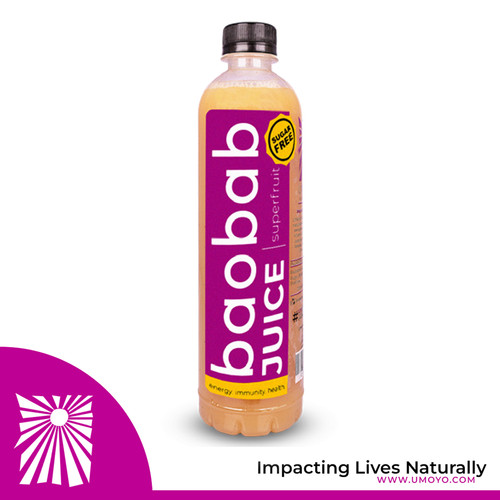
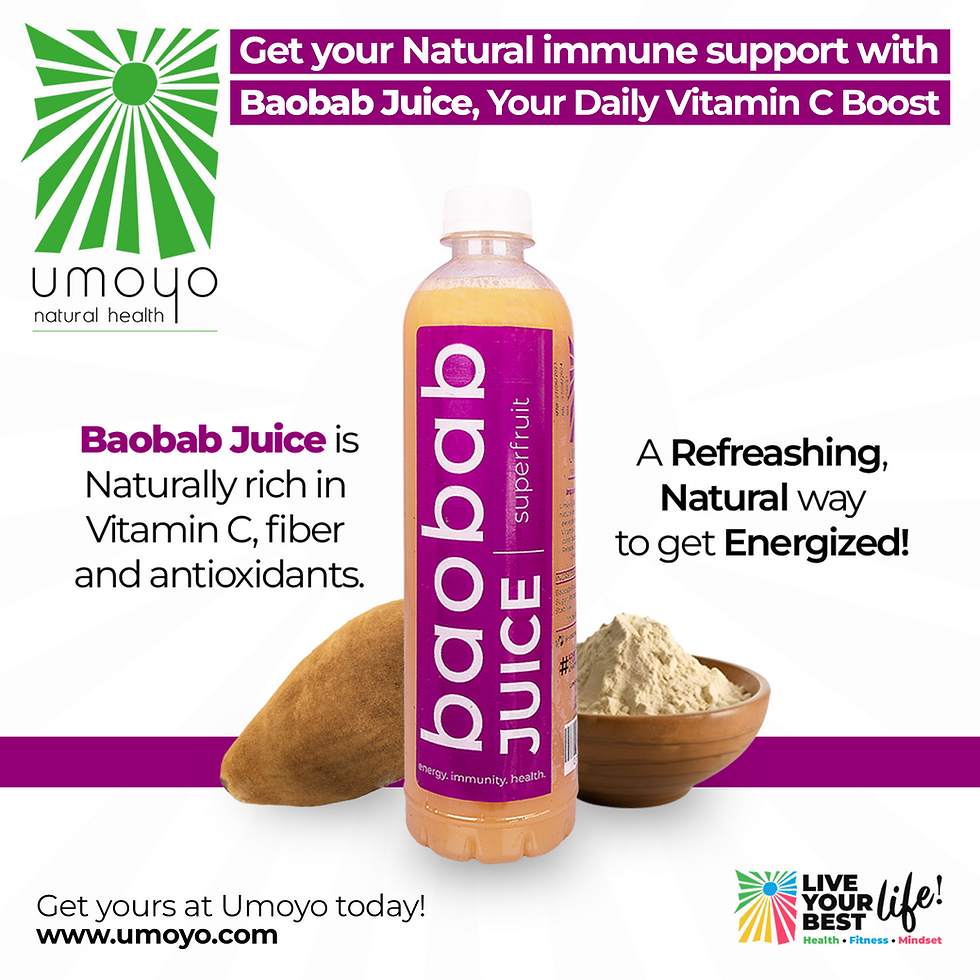
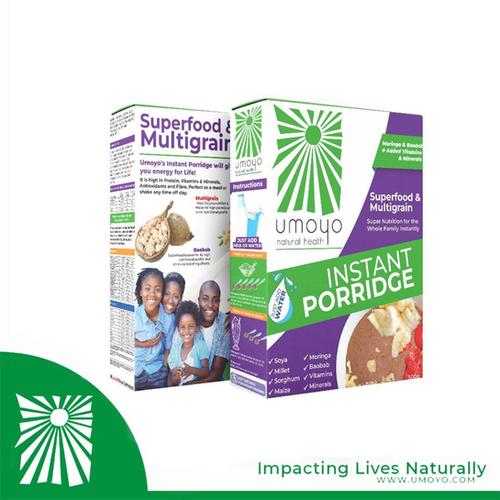
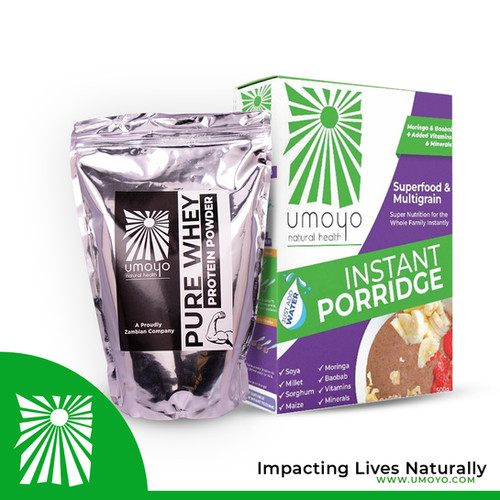
Founded in 2007, Umoyo Natural Health has grown into Zambia’s leading natural-health retail and manufacturing company. (Umoyo Natural Health)
What they do: They operate health shops (online and physical) and increasingly manufacture their own range of wellness foods and beverages from locally-sourced ingredients. (Umoyo Natural Health)
Why they stand out:
- Locally manufactured ALKALINE water, baobab juice, instant porridge with sorghum, millet & soy. (Umoyo Natural Health)
- Retail footprint across Zambia, making wellness accessible. (Umoyo Natural Health)
- Focus on purity, integrity, and natural ingredients. (Umoyo Natural Health)
Takeaway: If you’re looking for a well-established Zambian wellness brand supplying natural foods and health products, Umoyo is a strong choice.
2. Back 2 Basics Organics




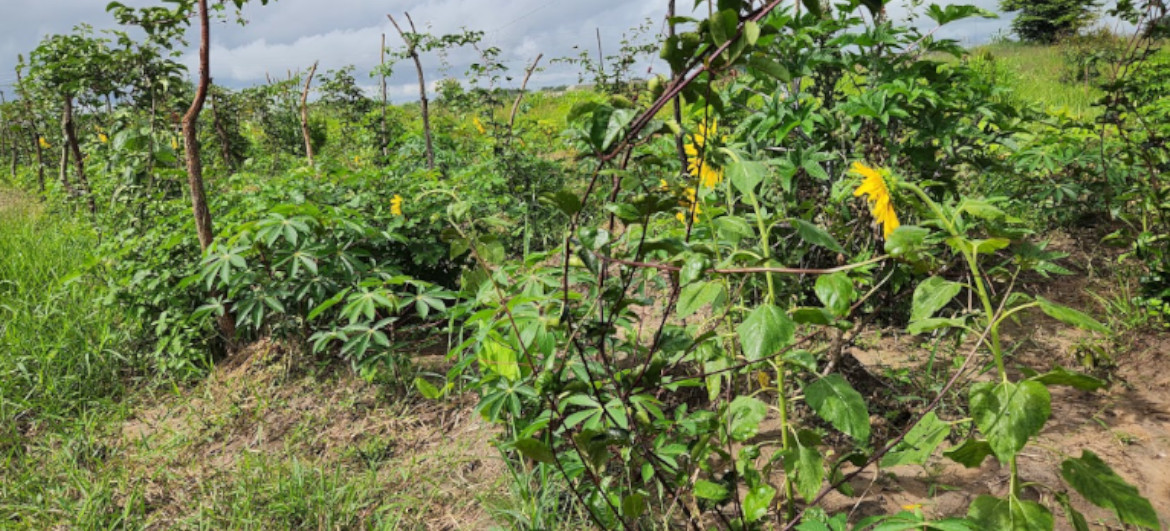
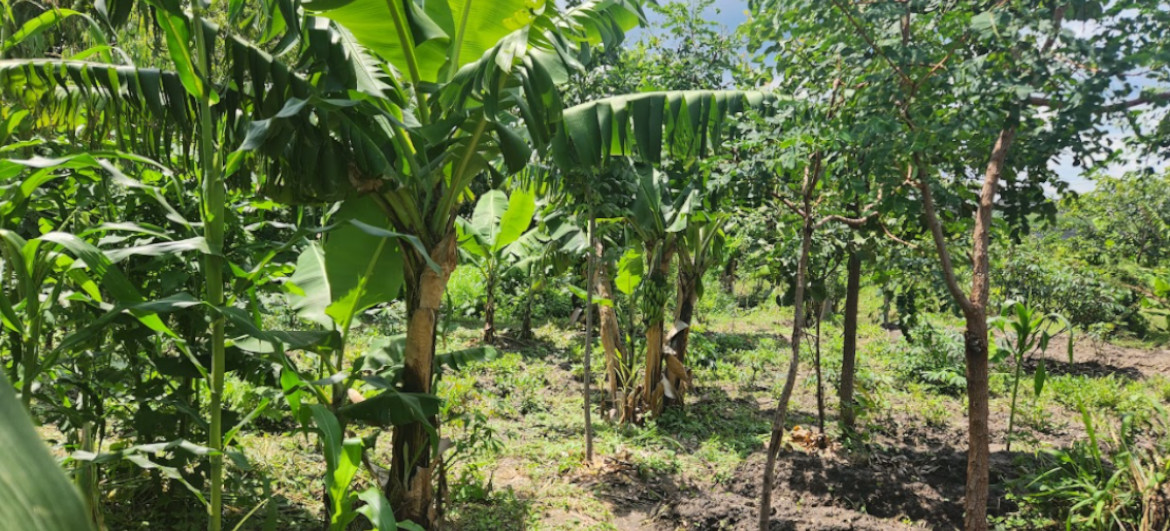
What they do: A regenerative organic farm based in Lusaka offering organic produce, and demonstration of sustainable farming practices such as water harvesting and biogas use. (back2basicsorganiks.com)
Why they stand out:
- Certified organic farm. (back2basicsorganiks.com)
- Engages community (volunteer opportunities) and demonstrates sustainable living. (back2basicsorganiks.com)
Takeaway: For those interested in organic produce, sustainable agriculture and local sourcing, Back 2 Basics Organics offers an inspiring example.
3. Essential Skincare


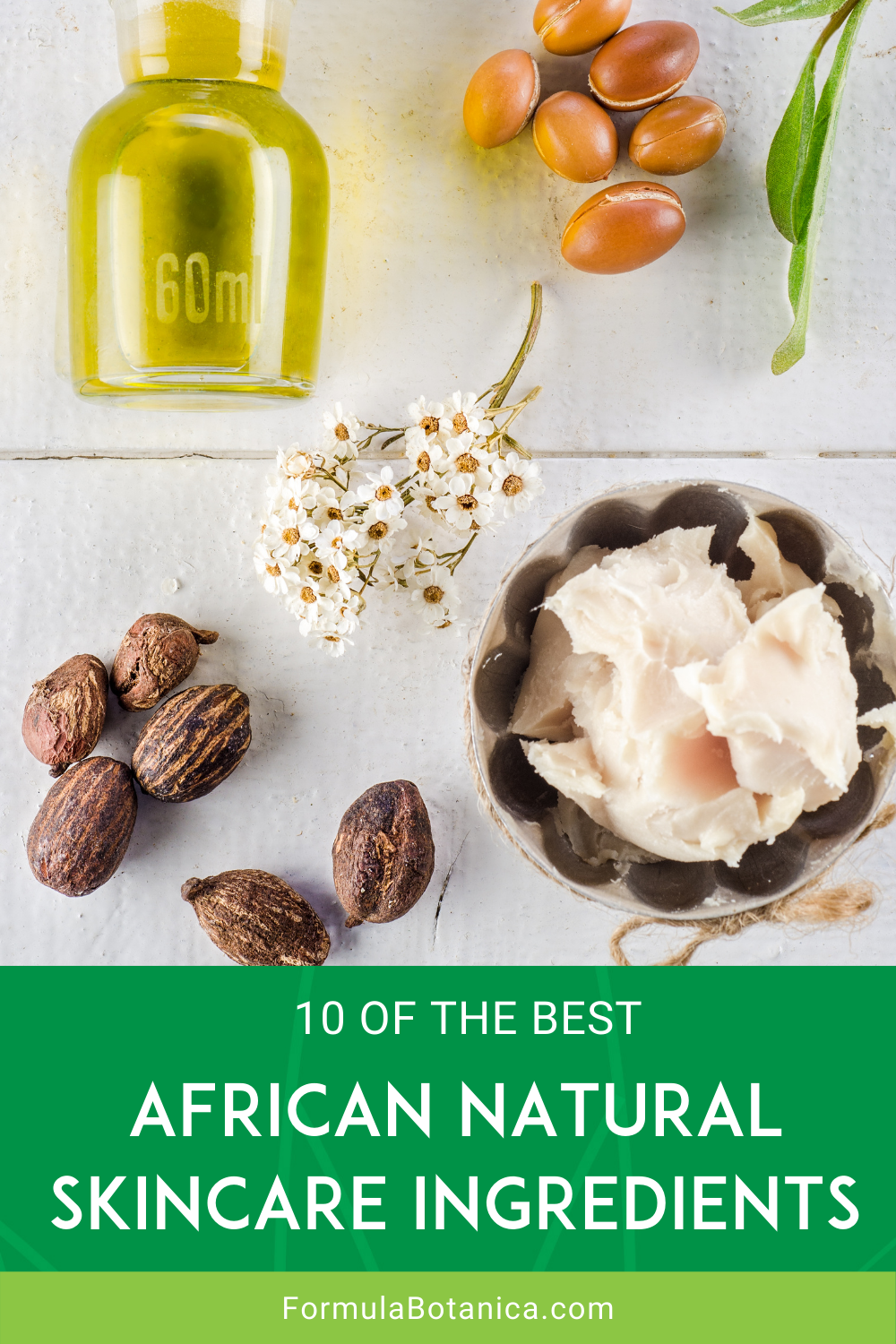


What they do: A Zambian brand creating natural and organic skincare products, harnessing African plant-based oils and sustainably-harvested botanicals. (essential-zambia.com)
Why they stand out:
- Uses certified organic ingredients; emphasises cruelty-free and fair-trade sourcing. (essential-zambia.com)
- Focus on indigenous African botanicals adapted to harsh conditions and ensuring sustainability. (abhcluster.org)
Takeaway: If natural skincare from Zambia is your interest, Essential Skincare is a premium option combining wellness, beauty and ethical sourcing.
4. Dhow Nature Foods
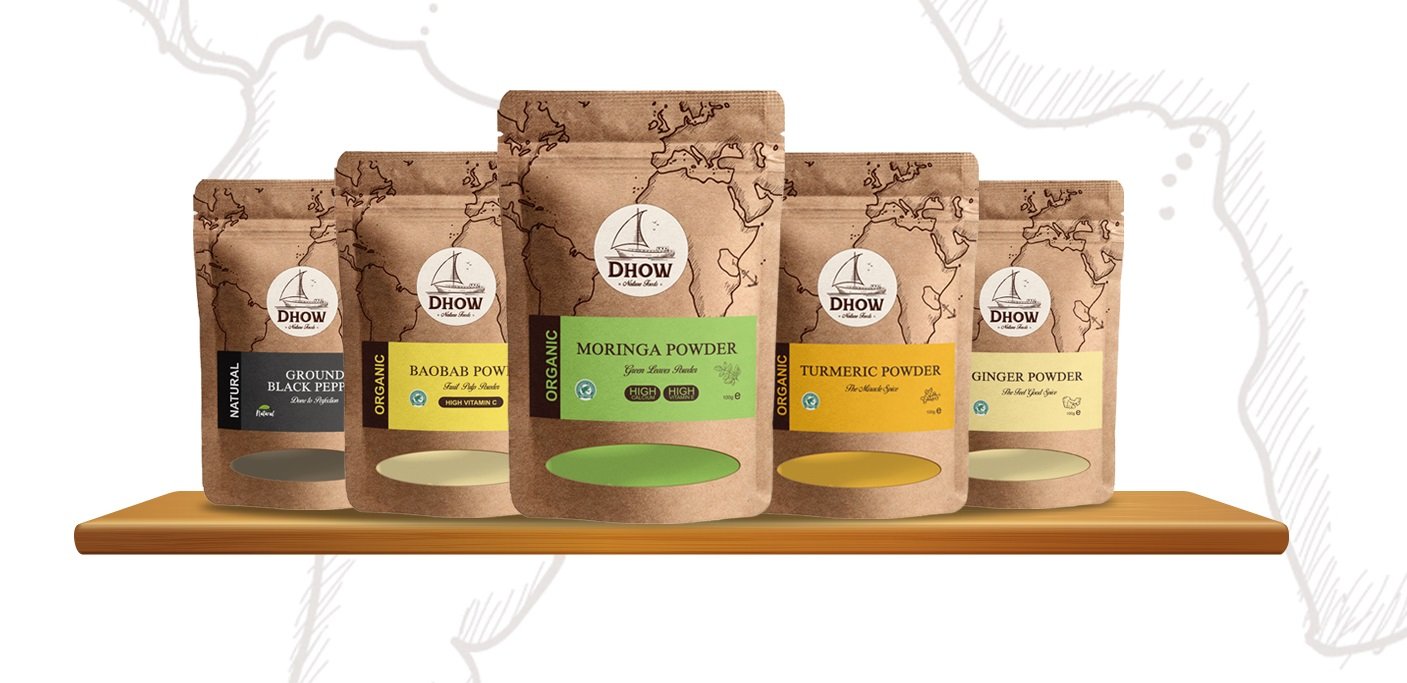
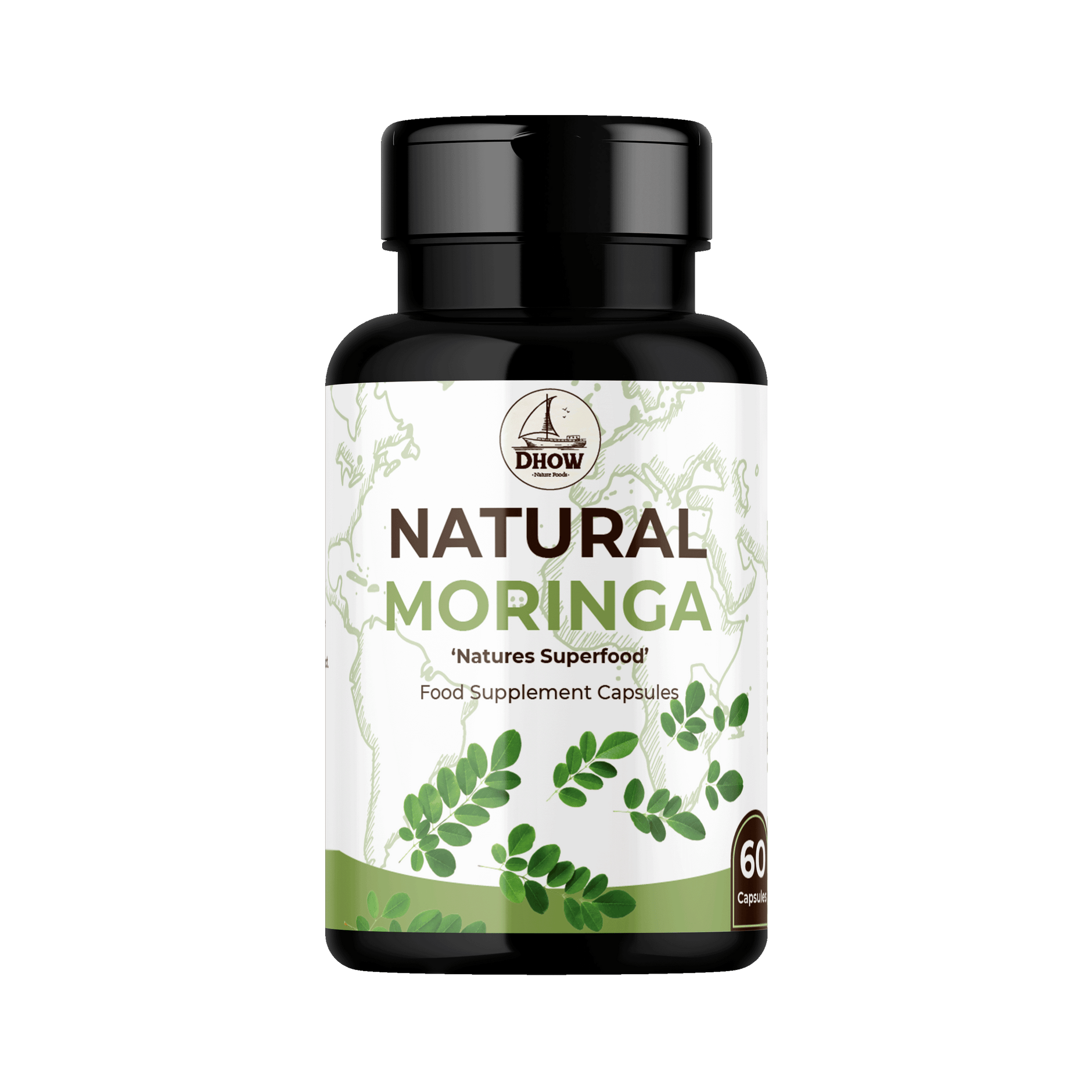
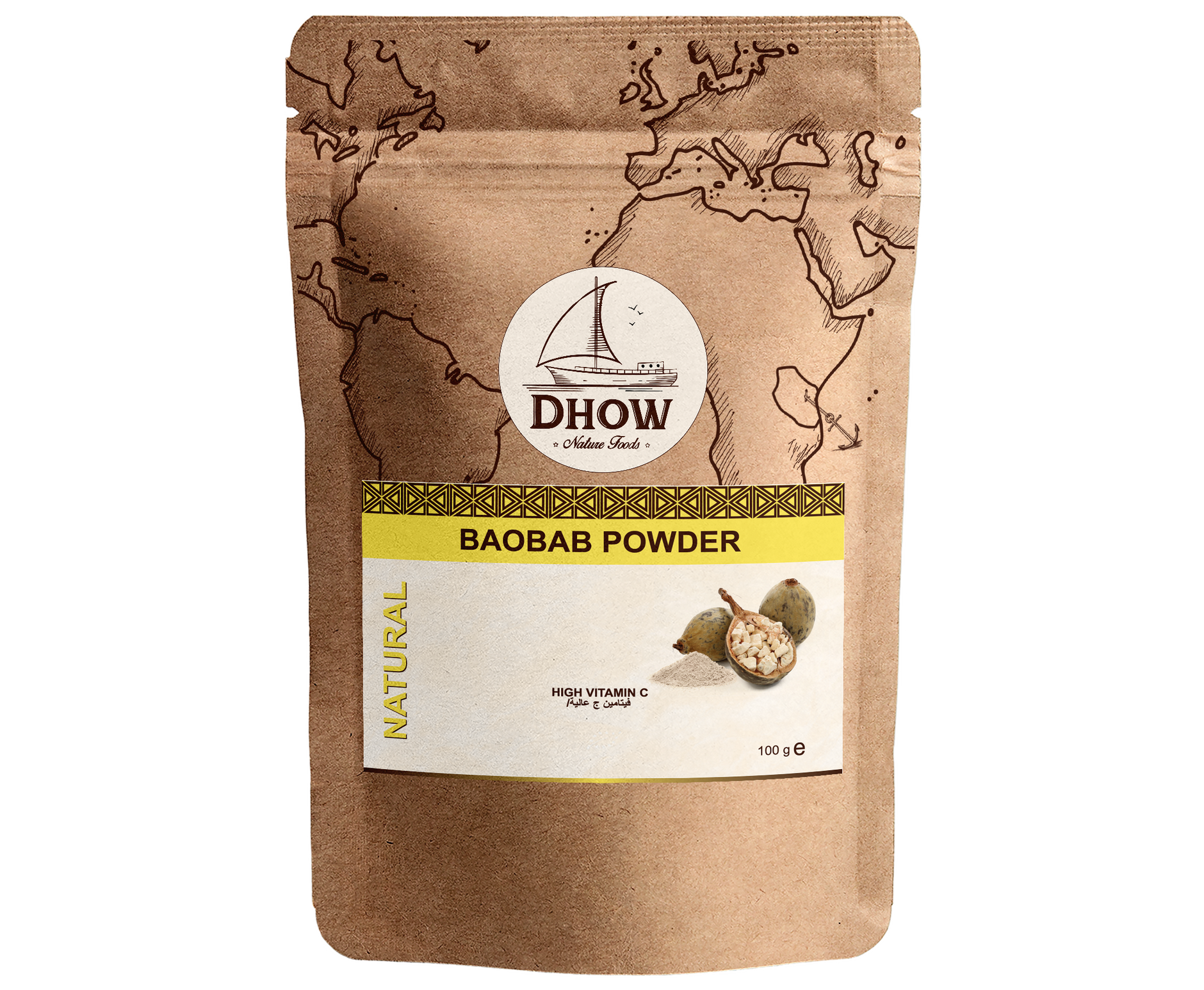
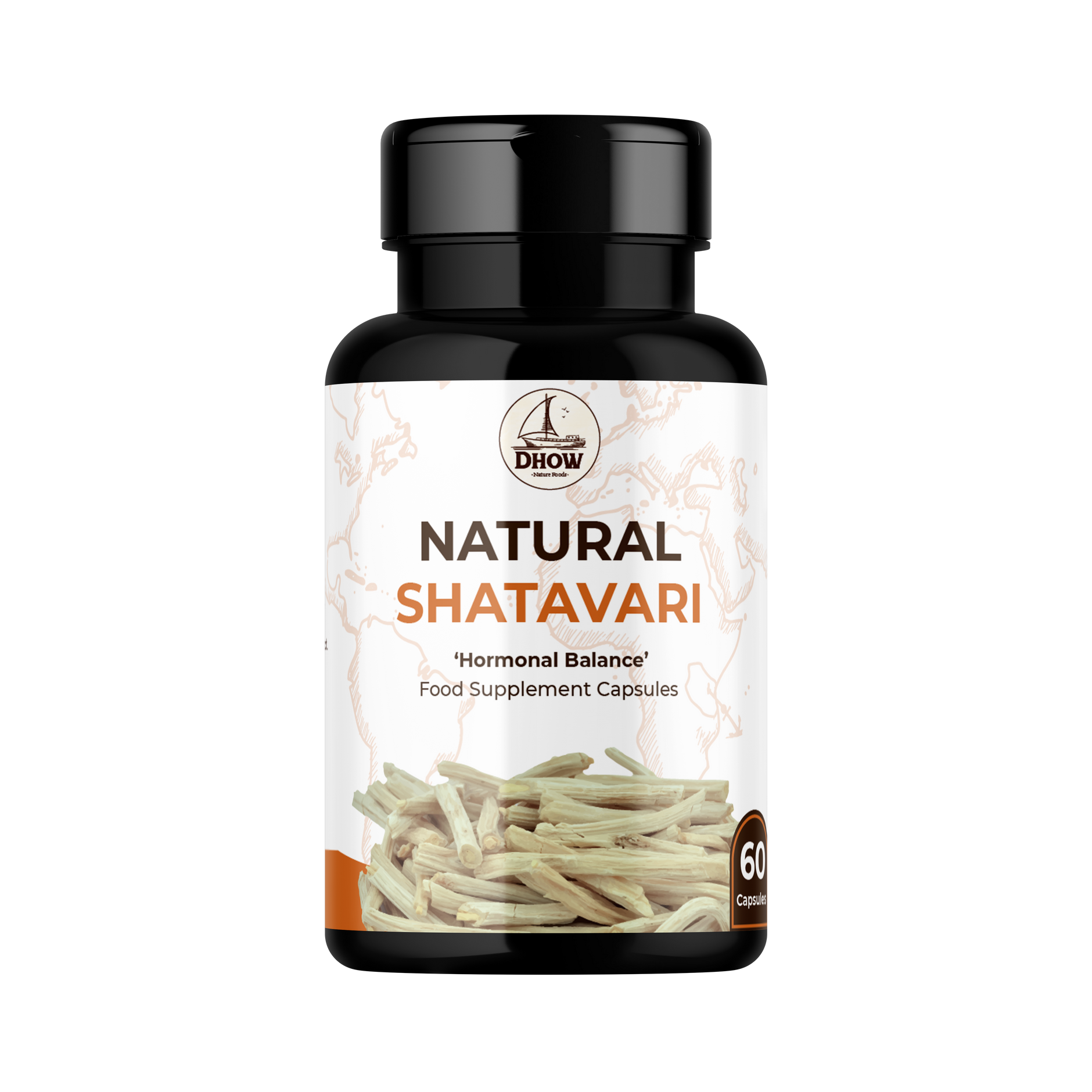
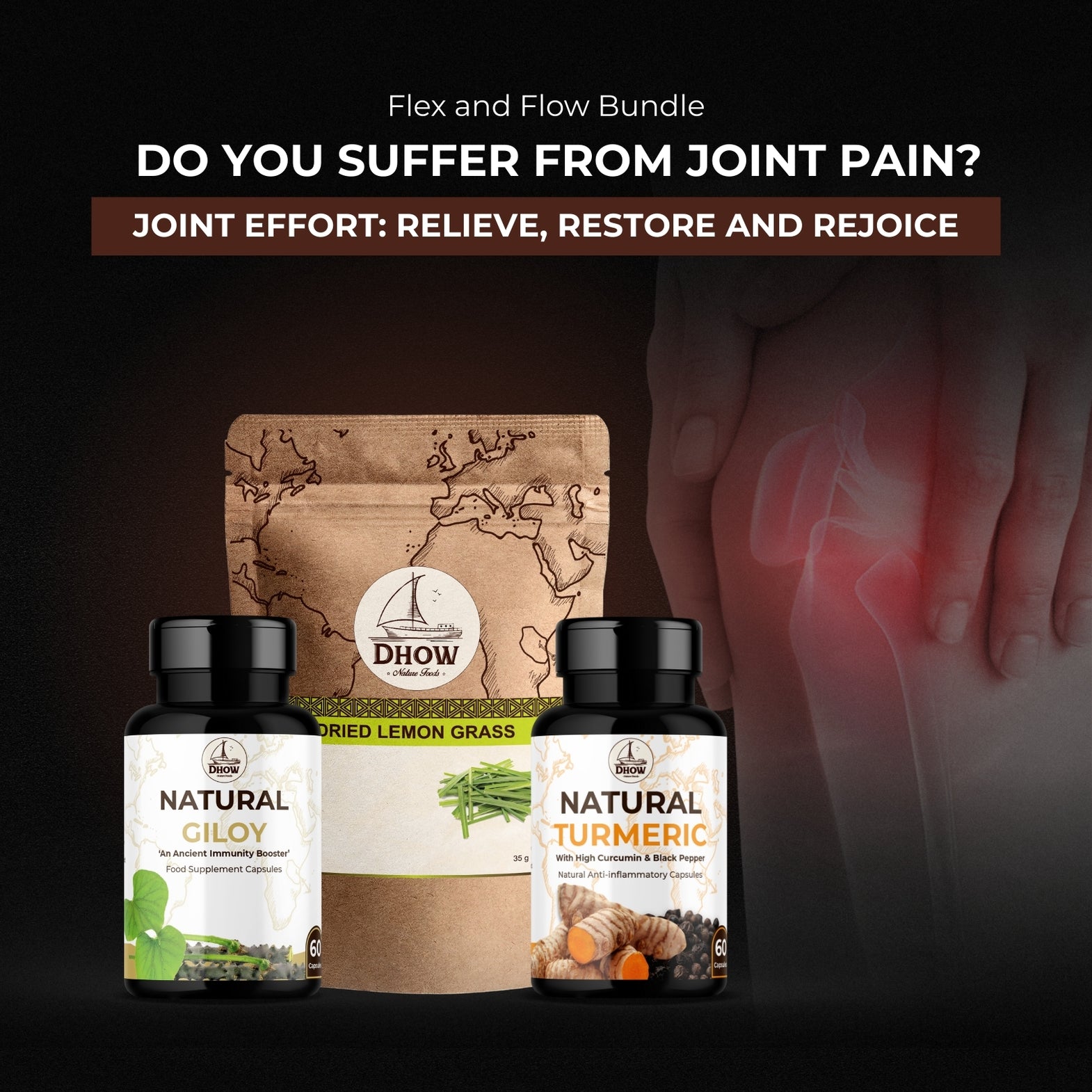

What they do: Specialise in organic superfoods, herbal products, spices and flours within Zambia. They address wellness through food‐based ingredients. (BizBwana)
Why they stand out: Focus on high-quality organic ingredients for wellness, extending beyond basic produce into value-added items.
Takeaway: For shoppers wanting organic food ingredients, grains, flours and wellness-oriented food products, Dhow Nature Foods is noteworthy.
5. Super Valley Organic Foods





What they do: Process organic fruits such as baobab, tamarind and other forest fruits in Southern Zambia, combining wellness products with community and ecological impact. (BizBwana)
Why they stand out: Their value-added approach enhances local sourcing and product differentiation in the wellness category.
Takeaway: Ideal for those interested in organic fruit-based wellness products with local impact.
6. Africa Nature’s Organic Foods


What they do: Founded in 2018, they focus on processing and promoting natural foods for local and industrial markets in Zambia. (BizBwana)
Why they stand out: Their emphasis on natural food processing aligns with wellness trends and local value-addition in Zambia.
Takeaway: If you’re looking for a business that turns organic foods into consumer-friendly products, this one is relevant.
7. Kasisi Organic Farm & Dairy
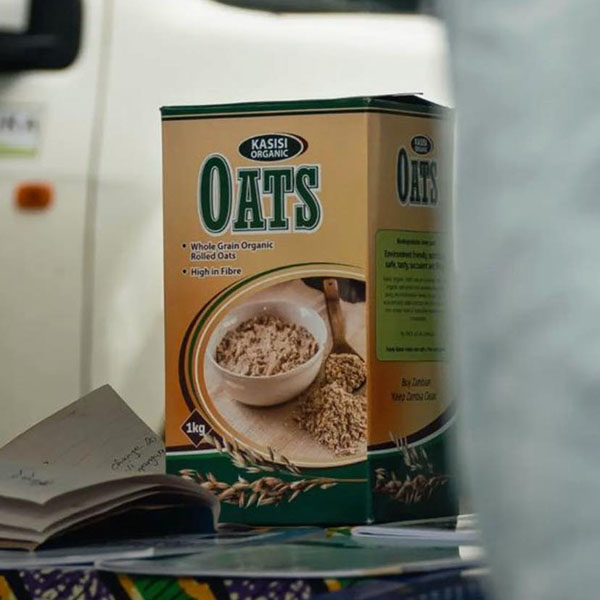


What they do: Through the Kasisi Agricultural Training Centre (KATC), they produce organic oats, milk, cheese and crop products, combining agriculture and value-added dairy. (back2basicsorganiks.com)
Why they stand out: Their hybrid model (organic crops + dairy) adds diversity and demonstrates the wellness potential of locally-produced organic food.
Takeaway: An interesting case for those interested in organic agricultural production in Zambia beyond just produce.
8. Green Fox Organic Farm

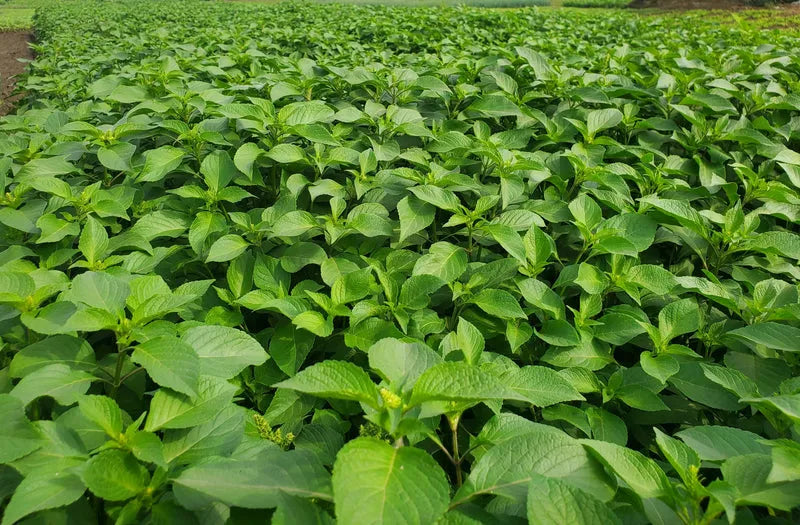


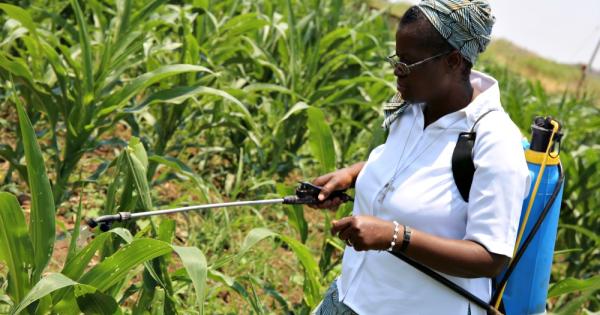
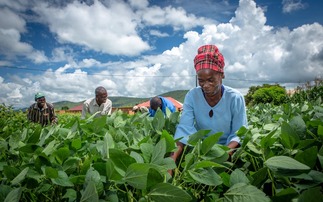
What they do: One of the earlier certified organic farms in Zambia (using Participatory Guarantee Systems) growing vegetables and operating retail of organic produce. (Reddit)
Why they stand out: As a pioneer in the organic farming space in Zambia they help raise standards and consumer awareness.
Takeaway: Great choice for those wanting fresh, certified-organic vegetables from a trusted Zambian farm.
9. Organic Farm7



What they do: Based in Kafue, they focus on chemical-free food production, solar-powered systems and organic vegetable, maize & fruit production.
Why they stand out: Their blend of renewable energy and organic agriculture demonstrates a forward-looking wellness orientation.
Takeaway: For buyers wanting cutting-edge, sustainable organic farms in Zambia, Organic Farm7 is an interesting option.
10. Forest Fruits Ltd (Zambezi Gold Honey)
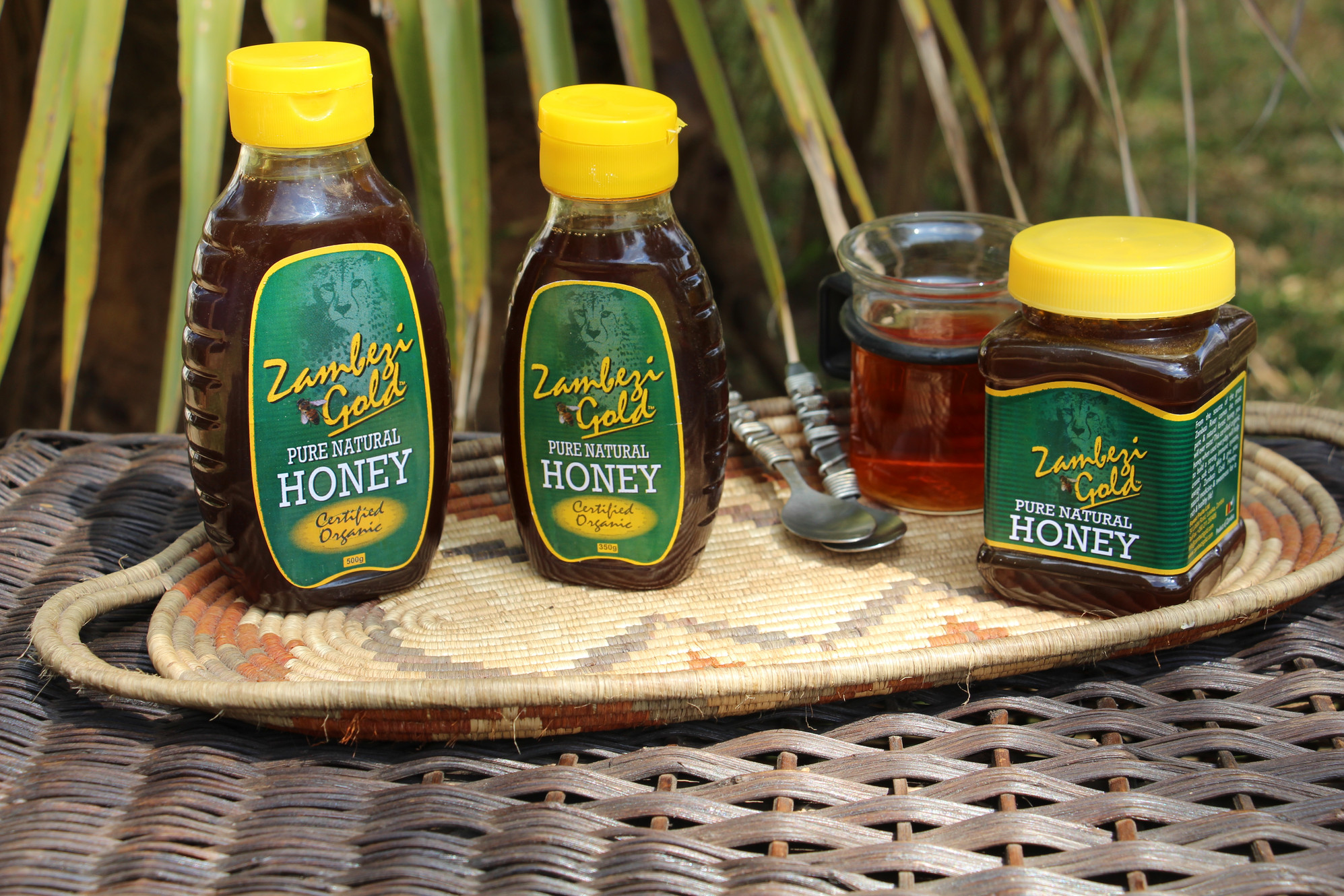



What they do: Producers of certified organic honey and beeswax under the brand Zambezi Gold™, working with thousands of out-grower beekeepers and forest harvesting systems in Zambia.
Why they stand out: This business ties wellness (honey as a natural product) with organic certification and community/farmer partnerships — a powerful combination.
Takeaway: Ideal for those seeking wellness-oriented organic honey products with a clear sustainability story.
Key Trends & Insights
- Rising demand for wellness and organic: As Zambian consumers become more health-conscious, brands that emphasise “organic”, “natural”, “wellness” and “local” are gaining traction.
- Local sourcing + value-addition = differentiator: Many of these businesses don’t just farm or import — they add value (manufacture, process, brand) in Zambia.
- Certification & consumer trust matter: Whether it’s certified organic ingredients, cruelty-free skincare or fair-trade sourcing, transparency helps brands stand out.
- Sustainability is integral: Farms using water-harvesting, biogas, solar, and brands sourcing from rural communities combine wellness with ecological and social impact.
- Voice search & local intent: With more mobile use and voice queries, phrases like “organic skincare Zambia”, “where to buy wellness foods Zambia”, or “natural health store Lusaka” are becoming important.
- Challenges remain: Higher costs of certification, logistics outside major cities (like Ndola or Livingstone), and educating consumers on what “organic” means in Zambia are hurdles.
One Reddit user commented: “To be deemed an organic product it must have no GMOs, little to no pesticide … It’s really hard to find non organic food.” (Reddit)
How to Choose an Organic / Wellness Brand in Zambia
When selecting wellness and organic-product businesses in Zambia, keep the following in mind:
- Check transparency of ingredients and sourcing: Are they local? Are they free from harmful additives?
- Look for credible claims: “Organic”, “chemical-free”, “certified” should be backed by evidence or clear explanation.
- Local sourcing and economic benefit: Brands that source locally support Zambian farmers and add value within the country.
- Availability and distribution: Ensure the brand delivers or is locatable in major towns or online.
- Sustainability and ethics: Brands committed to cruelty-free, fair-trade, environmentally-friendly practices often offer better long-term value.
- Voice-search friendly phrasing: For mobile/voice search ease, use clear terms like “natural skincare Zambia”, “organic farm produce Lusaka”, “certified organic honey Zambia”.
Conclusion
Zambia’s wellness and organic-products ecosystem is vibrant and evolving. The ten businesses profiled here reflect not only strong wellness-oriented offerings but also a commitment to local production, sustainability and ethical practices.
Supporting such brands helps you make healthier choices and contributes to Zambia’s economic and environmental well-being. Whether you’re looking for natural skincare, organic food, or regenerative agriculture, these brands provide a starting point. Choose one that resonates with your values, explore their products, and take a step toward a more conscious wellness journey.
Call to action: Visit one of these companies’ websites or stores, ask questions about sourcing and production, and consider sharing your experience to help elevate the wellness-ecosystem in Zambia.
FAQs
Q: What does “organic” mean in the Zambian context?
A: In Zambia, “organic” typically suggests products grown or produced with minimal synthetic pesticides/fertilisers and often with local certifying frameworks or PGS (Participatory Guarantee Systems). However, consumers should inquire about actual practices and certifications.
Q: How can I verify an organic wellness product in Zambia?
A: Check for detailed ingredient lists, sourcing transparency, any certification or association affiliations (fair-trade, cruelty-free), and if possible reviews or local credibility.
Q: Are organic products more expensive in Zambia?
A: Often yes, because of higher production costs, certification, smaller scale and logistics. But the value may be higher if you consider quality, local impact and sustainability.
Q: Can I find such brands outside Lusaka, e.g., in Ndola or Livingstone?
A: Some brands have national distribution or online offerings with delivery. It’s worth checking each brand’s shipping or branch network.
Q: What should I ask when choosing natural skincare?
A: Ask about what percentage of ingredients are certified organic, whether synthetic chemicals/additives are excluded, whether ingredients are cruelty-free and locally-sourced, and how the packaging and brand supports sustainability.