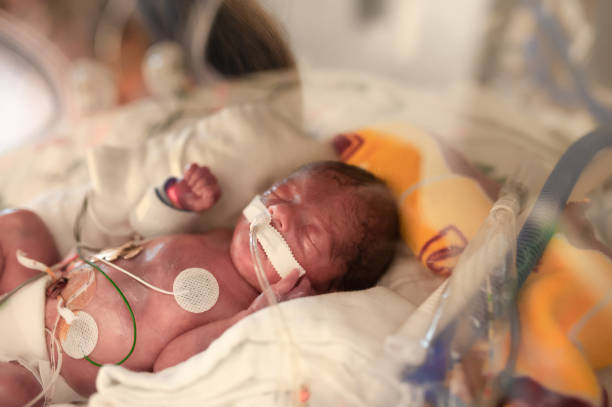
World Prematurity Day, celebrated on 17 November, is a vital moment to spotlight the challenges and triumphs of preterm birth. It’s a day not just for raising awareness, but for promoting holistic wellness — physical, mental, and social — for babies born too soon and their families. One in ten babies globally arrives early, and their wellness journey starts long before and continues long after they leave the hospital.
Understanding Prematurity
What Is Prematurity?
A preterm birth is defined as any baby born before 37 completed weeks of gestation. These babies often face underdeveloped organs, which can lead to a range of health complications, such as breathing issues, temperature regulation problems, and developmental delays.
Why It Matters Globally
Prematurity is a leading cause of newborn death and long-term disability. Unequal access to quality neonatal care means that many families, especially in low-resource settings, struggle to provide the care their baby needs.
Wellness Strategies for Preterm Infants
- Kangaroo Mother Care (KMC)
- Skin-to-skin contact between baby and parent helps regulate body temperature, support breathing, and strengthens immune function.
- Feeding with breast milk (even expressed) while doing KMC further supports growth and brain development.
- Parents — not just mothers — can provide this care, which also enhances bonding and reduces stress.
- Specialized Neonatal Care
- Keeping preterm babies in well-equipped neonatal units with trained staff is crucial.
- Family-centered care encourages parents to stay close, hold and participate in caregiving, supporting both infant and parental wellness.
- Breastfeeding & Human Milk
- Breast milk provides vital nutrients and immune protection.
- Supporting mothers to express milk, particularly when the baby is in the neonatal unit, is key.
- Post-Discharge Follow-Up
- After hospital discharge, regular developmental monitoring ensures early detection of potential issues.
- Nutritional support, therapy (e.g. physiotherapy), and early-intervention programs help preterm babies thrive.
Family & Parental Wellness
- Emotional Support
Parents of preterm babies often face anxiety, stress, and emotional exhaustion. Access to peer-support groups, counselling, and mental-health services can make a huge difference. - Practical & Financial Wellbeing
Caring for a preterm infant can be expensive and demanding. Wellness means equipping families with practical help (transport, meals) and financial support when needed. - Empowerment Through Advocacy
Sharing stories, joining awareness campaigns, and pushing for better neonatal healthcare policies are powerful ways families can contribute to systemic change.
Global & Policy-Level Wellness
- Many countries and global health bodies are increasingly recognizing the importance of neonatal care equity.
- Policies that support training for neonatal staff, improving neonatal unit infrastructure, and ensuring access to KMC are vital.
- Strengthening maternal health services — through better prenatal care, risk-factor screening, and support — helps prevent premature births in the first place.
Wellness-Focused Resources for Premature Birth Families
Here are helpful wellness resources for families of preterm babies:
- Parent Support Networks
Organizations that run peer-led groups (either online or in local communities) provide emotional support, share coping strategies, and foster connections among parents of preemies. - Neonatal Care Helplines
Some non-profits and health systems operate helplines staffed by neonatal nurses or counsellors who can guide parents through common worries, feeding issues, and developmental concerns. - Mental Health Support Services
These include counselling centers, charity-run therapy programs, and online mental-wellness platforms that specialize in supporting parents of preterm infants. - Education & Training Programs
Workshops (in hospitals or community centers) teach parents how to practice kangaroo care, handle feeding challenges, measure developmental milestones, and prepare for home care. - Financial Assistance Programs
Charitable foundations and health organizations sometimes offer grants, subsidies, or emergency funds to help families with NICU-related costs, travel, or medical equipment.
Support Organisations to Know
Here are notable organisations that offer support, advocacy, and care for preterm babies and their families:
- Preemie Parent Foundations: These non-profits often provide peer support, resources, and educational materials to parents of premature babies.
- Neonatal Health Charities: Many charities fund neonatal units, train nurses, and provide medical supplies to hospitals in need.
- Global Health Coalitions: International coalitions advocate for policy change, research funding, and equitable neonatal care across countries.
- Local Parent Groups: In many regions, local parent groups connect families for emotional support, sharing of practical advice, and community events around prematurity.
Frequently Asked Questions (FAQs)
Q1: What causes preterm birth?
A: Preterm birth can result from a variety of factors including maternal health conditions (e.g., high blood pressure, infections), multiple pregnancies (like twins or triplets), stress, or certain lifestyle factors. Sometimes, the exact cause isn’t clear.
Q2: How can I tell if my baby was born too early?
A: If a baby is born before 37 weeks of gestation, they are considered preterm. Doctors will assess their development, weight, and organ function to determine the specific needs and care plan.
Q3: Is kangaroo mother care safe?
A: Yes. Kangaroo care is widely recommended and has been shown to improve survival, regulate body temperature, reduce infections, and promote bonding, especially for stable preterm babies.
Q4: What are the long-term risks for preterm children?
A: Possible long-term challenges include developmental delays, learning difficulties, vision or hearing problems, and chronic lung conditions. However, with early intervention and ongoing support, many preterm children grow up healthy and thrive.
Q5: How can I support my baby emotionally after a traumatic NICU stay?
A: Skin-to-skin contact, gentle talking, and frequent interaction help. It’s also helpful for parents to get emotional support through counseling or peer groups to process the stress and build confidence as caregivers.
Q6: Where can I find help if I live in a low-resource area?
A: Reach out to local health clinics, government maternal and child health programs, non-profit organisations, and community support groups. Many NGOs work specifically to improve neonatal care in underserved areas.
Conclusion
World Prematurity Day is more than a symbolic date — it’s a powerful reminder that wellness for preterm babies isn’t just about survival, but about thriving. True wellness encompasses not only medical care, but also emotional support, family empowerment, and community action.
By leveraging wellness resources, engaging with support organisations, and educating ourselves through common-sense answers to common questions, we can help ensure that every preemie and every family has a strong start and a hopeful, healthy future.