Learn what gender based violence is, how it begins, who it affects, the underlying causes, health impacts, long-term consequences, and how communities can prevent it.
Gender based violence is a silent crisis affecting homes and communities worldwide. This blog explores how it starts, why it persists, who the victims and perpetrators are, and the long-term effects on health and society.
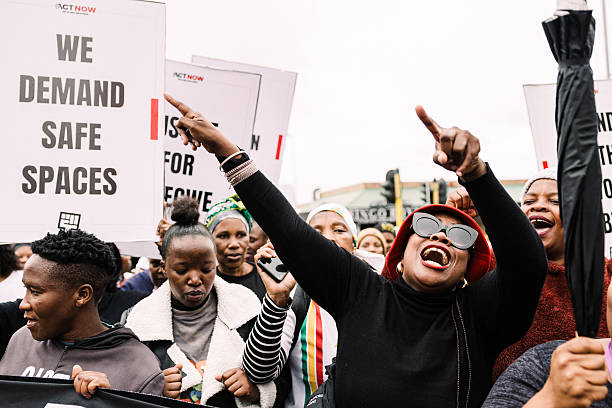
Gender based violence is one of the most widespread human rights violations in homes and communities. It cuts across class, ethnicity, age, and culture. Even though the world has made progress in speaking openly about it, countless people—especially women, girls, and gender minorities—still suffer in silence. To understand the full picture, we need to explore how it starts, what fuels it, who the victims and perpetrators are, and the lasting impact it leaves on individuals and societies.
Introduction to Gender Based Violence
Understanding the Concept and Scope
Gender based violence (GBV) refers to harmful acts directed at a person simply because of their gender. It includes physical, emotional, sexual, and economic abuse. GBV can happen anywhere—homes, schools, workplaces, and communities. What makes it particularly devastating is that it often involves people the victim knows and trusts.
Why Gender Based Violence Remains a Hidden Crisis
Many victims fear shame, blame, or retaliation. Abusers, on the other hand, often use manipulation and power to keep them silent. In many societies, cultural norms make people believe that violence is a “private matter,” preventing survivors from seeking help.
How Gender Based Violence Starts
Early Warning Signs in Homes
In homes, GBV usually begins with small controlling behaviors that escalate over time. These may include:
- Monitoring phone calls or social media
- Restricting movement or friendships
- Criticizing appearance, intelligence, or abilities
- Unpredictable anger or jealousy
Because these behaviors can seem subtle at first, victims may ignore them until they become severe forms of abuse.
Cultural and Community-Based Triggers
In communities, GBV can start due to:
- Harmful cultural beliefs that normalize dominance
- Early forced marriages
- Community tolerance of violence
- Lack of legal protection or justice
These root problems turn a personal issue into a societal one.
Underlying Issues Fueling Gender Based Violence
Power Imbalance and Patriarchal Norms
Societies that privilege men over women often see higher rates of GBV. Power imbalances create environments where abuse becomes a way to maintain control.
Economic Dependence and Financial Control
Many victims rely financially on their partners or family members. Abusers exploit this dependence by restricting access to money, jobs, or education.
Childhood Trauma and Learned Behavior
People who witness abuse in childhood sometimes repeat these patterns later in life—either as victims or perpetrators.
Harmful Social Beliefs and Stereotypes
Messages like “men should control women” or “real men don’t show emotions” contribute to violent behavior.
Common Factors Among Victims of Gender Based Violence
Social Isolation and Low Self-Esteem
Victims often feel unworthy, making them vulnerable to manipulation. Abusers usually isolate them from friends and family, increasing dependence.
Limited Access to Support Systems
Lack of shelters, counselors, or confidential reporting systems prevents victims from escaping abusive situations.
Intersection of Poverty, Disability, and Age
People with disabilities, older adults, and those living in poverty face extra challenges and are at higher risk.
Health Effects of Gender Based Violence
Physical Health Impact
GBV can result in:
- Broken bones
- Chronic pain
- Disabilities
- Reproductive health issues
Some victims endure long-term illnesses due to repeated injuries.
Mental and Emotional Health Consequences
Survivors often experience:
- Depression
- Anxiety disorders
- Post-traumatic stress disorder (PTSD)
- Feelings of hopelessness and fear
These mental health effects can last long after the abuse ends.
Long-Term Trauma and Chronic Illness
Stress from ongoing violence can lead to:
- High blood pressure
- Heart disease
- Immune system problems
The mind and body are deeply connected, so emotional harm often becomes physical.
End Results and Long-Term Consequences
Impact on Families and Children
Children who grow up around violence may:
- Struggle in school
- Display aggression or withdrawal
- Develop mental health disorders
- Repeat the cycle of abuse in adulthood
Community-Level Consequences
Communities dealing with high GBV rates often face:
- Higher crime levels
- Low economic productivity
- Fear and mistrust among residents
Societal and Economic Impact
Countries lose billions due to lost productivity, medical bills, legal costs, and social services.
Who Are the Most Likely Victims?
Patterns, Behaviors, and Vulnerability Factors
Victims often share common experiences such as:
- Low confidence
- Economic dependence
- Limited education
- History of childhood trauma
Groups at Higher Risk
Higher-risk groups include:
- Women and girls
- LGBTQ+ individuals
- Migrants and refugees
- People with disabilities
- Those living in marginalized communities
Who Are the Perpetrators of Gender Based Violence?
Identifying Common Behaviors in Abusers
Perpetrators often:
- Display extreme jealousy
- Blame others for their actions
- Show possessiveness
- Use manipulation or threats
- Appear charming in public but cruel in private
Social and Psychological Influences
Factors such as substance abuse, low empathy, mental illness, and learned violent behavior contribute to abusive tendencies.
Prevention and Breaking the Cycle
Community Action and Education
Communities can prevent GBV by:
- Promoting gender equality
- Providing safe spaces
- Training leaders to recognize abuse
- Educating young people about respect and consent
Strengthening Legal Systems and Support Structures
Strong laws, fast investigations, shelters, and counseling services help protect victims and punish offenders.
Frequently Asked Questions (FAQ)
1. What is gender based violence?
Gender based violence is any harmful act directed at a person because of their gender, including physical, emotional, sexual, and economic abuse.
2. Who is most affected by gender based violence?
Women, girls, LGBTQ+ individuals, people with disabilities, and marginalized groups face the highest risk.
3. What causes gender based violence?
Power imbalance, cultural norms, economic dependence, trauma, and harmful beliefs are major root causes.
4. How does gender based violence impact health?
It affects physical, mental, emotional, and reproductive health, often causing long-term trauma.
5. Who are common perpetrators?
Perpetrators are often intimate partners, family members, community members, or authority figures.
6. How can communities prevent gender based violence?
Education, legal protection, gender equality, and survivor support systems are key strategies.
Conclusion
Gender based violence affects individuals, families, and entire communities. Understanding how it starts, who is involved, and its devastating impact helps us take meaningful action. By promoting equality, providing support, and strengthening laws, we can break the cycle and build safer communities for all.