On World AIDS Day 2025, we honour lives lost, celebrate resilience, and call for renewed global commitment. Discover latest developments in HIV prevention, ongoing efforts in Zambia and internationally, and a personal story of courage that shows why the fight against HIV matters more than ever.
Every 1 December, the world marks World AIDS Day — a time to remember those lost to AIDS-related illnesses, support people living with HIV, and recommit to ending HIV as a public health threat. In 2025, the global HIV response faces renewed challenges: funding cuts, service disruptions, and widening inequalities. Yet there is cause for hope. Advances in prevention, strong community activism, and new health policies give us renewed reason to believe that an AIDS-free future remains possible.
This blog explores recent developments, highlights organisations making a difference — both in Zambia and globally — and shares a story of personal resilience to remind us all: behind the statistics are real lives.
Why World AIDS Day Matters — 2025 Context
- 1 December is the internationally recognized date for World AIDS Day. World Health Organization+1
- According to the World Health Organization (WHO), in 2024 there were an estimated 40.8 million people living with HIV globally, about 1.3 million new infections that year, and roughly 630,000 AIDS-related deaths. World Health Organization
- The 2025 theme is “Overcoming disruption, transforming the AIDS response” — a call to action in a time of funding cuts, service interruptions, and global uncertainty. World Health Organization+1
Latest Developments: Global & Zambia — Progress and Challenges
Global: Innovation amid Funding Shortfalls
- Despite financial constraints, scientific advances offer hope. Recent developments include long-acting HIV prevention tools such as lenacapavir — a six-monthly injection — signaling a shift in how HIV prevention and treatment can be delivered worldwide.
- However, global funding cuts have disrupted many HIV prevention and treatment programs. Many communities now face reduced access to life-saving services.
Zambia: Progress, But Gaps Remain
- On 18 September 2025, the National HIV/AIDS/STI/TB Council (NAC), together with UNAIDS and other partners, launched updated national HIV estimates showing Zambia has made notable progress.
- The country reportedly achieved the 95–95–95 targets: high rates of diagnosis awareness, treatment, and viral suppression among people living with HIV. The United Nations in Zambia+2Zambia Reports+2
- Yet, challenges persist: new infections continue — in 2024 alone, Zambia recorded around 23,000 new HIV cases, many among adolescents and young people. Zambia Reports+1
- Moreover, decreased international funding has threatened prevention and outreach programs.
- On the positive side, national efforts to integrate HIV services with sexual and reproductive health, bring treatment closer to communities, and expand youth-focused prevention offer renewed hope.
Key Organisations Supporting People with HIV — Zambia & International
Here are some of the leading organisations and associations working to support people living with HIV, both in Zambia and globally:
- UNAIDS — the global UN agency coordinating the international HIV response. Works in Zambia and worldwide to ensure access to prevention, treatment, care, human rights, and advocacy. The United Nations in Zambia+2UNDP+2
- NAC (National HIV/AIDS/STI/TB Council) — Zambia’s official national coordinating body for HIV/AIDS policy, strategy, and coordination. NAC Zambia+1
- Centre for Infectious Disease Research in Zambia (CIDRZ) — a Zambian non-profit collaborating on research, HIV prevention, and treatment initiatives across the country.
- ZAMBART Project — a Zambian research organisation focused on HIV and tuberculosis comorbidity, contributing to public health knowledge and disease management strategies.
- International partners and funders — such as global health bodies, UN agencies, donor agencies; they play a critical role in funding, policy support, research, and sometimes direct delivery of services. For example, the call by global bodies on World AIDS Day 2025 for “human-rights-centered approaches” reflects that international collaboration remains vital. World Health Organization+1
A Story of Resilience: Living Boldly with HIV
Meet “Amina” (name changed for privacy), a young Zambian woman from Lusaka. Diagnosed with HIV at age 22, shortly after discovering she was pregnant, Amina was initially overwhelmed by fear — fear of stigma, rejection, and what the future might hold for her and her child.
But with support from her local clinic (partnered with NAC and a local NGO), she started antiretroviral therapy almost immediately. She attended counselling sessions, joined a support group for young mothers living with HIV, and received regular check-ups.
Today, five years later, her viral load is undetectable. Her child is HIV-negative, she’s working a stable job, and she volunteers weekly at a community support group — helping other women who went through similar journeys.
Her story reflects what experts emphasize worldwide: with timely diagnosis, access to care, treatment, community support, and resilience — HIV does not have to define one’s life. Rather, many people living with HIV go on to lead healthy, fulfilling lives.
Stories like Amina’s counter stigma and show the power of hope, care, and community.
What You Can Do — How to Support on This World AIDS Day
- Get informed & share facts. Use reliable sources like UNAIDS, WHO, national health bodies (such as NAC).
- Combat stigma. Use respectful language. Support people living with HIV rather than judging them. Remember: HIV is a medical condition — not a moral failing.
- Support local and international organisations. Whether through donations, volunteering, or amplifying their messaging — your support matters.
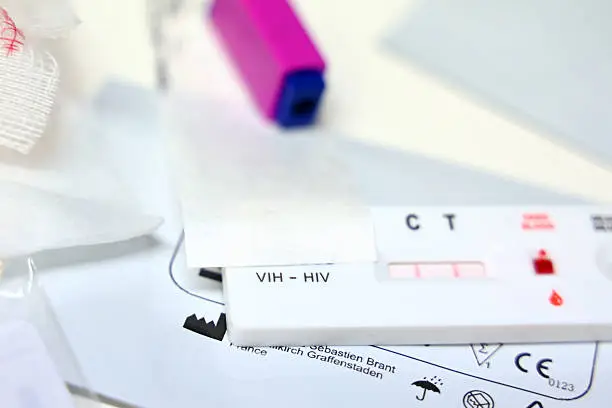
- Encourage HIV testing & care. Early testing and access to treatment save lives and prevent further transmission.
- Advocate for sustained funding & political commitment. Progress must not be reversed. Universal access to prevention, treatment, and care remains vital.
Conclusion
On this World AIDS Day 2025, we stand at a crossroads. Global funding and political support may be under pressure, but scientific advances, community resilience, and stronger national responses — including in Zambia — offer real reasons for hope. By staying informed, showing compassion, supporting effective organisations, and amplifying stories of resilience, each of us can help transform disruption into progress.
Let’s recommit — not just today, but every day — to ending HIV as a public health threat and building a world where everyone living with HIV has dignity, care, and hope.