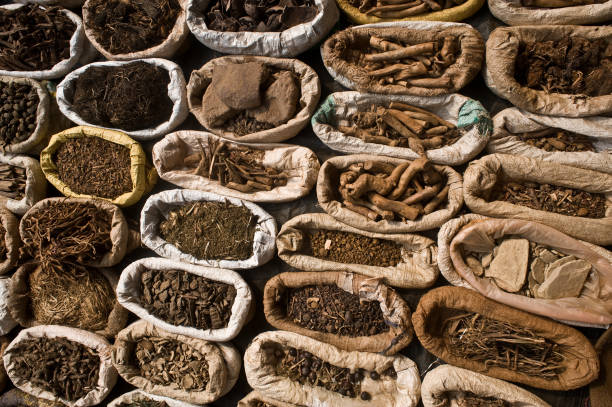
In Zambia, the rhythm of daily life is set not only by the bustling markets of Lusaka and the roar of the Zambezi, but also by a deep‑rooted belief in the power of traditional healers—known locally as ng’anga. These herbalists, diviners and spiritual guides have been the first port of call for everything from fevers to family disputes for generations. Yet, as the country embraces modern hospitals and cutting‑edge treatments, a new health landscape is emerging—one where ancient rituals and scientific medicine can work side by side.
Why Traditional Healing Still Matters
Across Zambia’s diverse ethnic groups, the ng’anga remains a cultural cornerstone. They are consulted for both physical ailments and “spiritual” problems, such as bewitchment or social conflict. The term “witch doctor” is a colonial misnomer; today, ng’angas are recognized by bodies like the Traditional Health Practitioners’ Association of Zambia (THPAZ) and are required to register, undergo competency tests and renew their licences every five years . This formalisation helps protect patients while preserving a wealth of indigenous medical knowledge that has been passed down through apprenticeship and oral tradition.
Herbal remedies are at the heart of this practice. Plants such as moringa, neem, and baobab are used to treat everything from malaria to digestive complaints. Research on the Tumbuka people shows a clear dualism: certain illnesses are labelled “indigenous” and treated with herbal concoctions, while “modern” diseases like HIV/AIDS or pneumonia are more often referred to clinics . This pragmatic split reflects a broader Zambian mindset—use what works, wherever it comes from.
Modern Medicine’s Growing Footprint
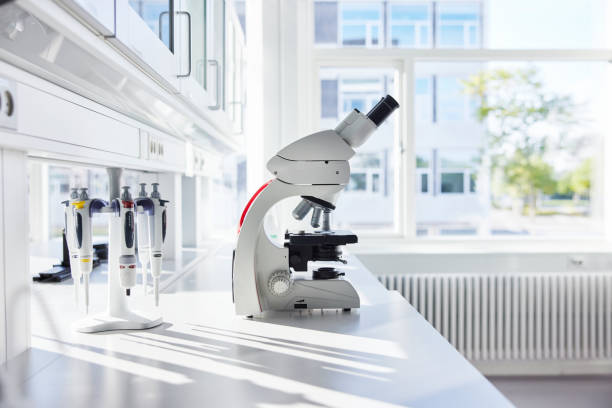
Since the early 2000s, Zambia has invested heavily in its public health system. Government hospitals, district clinics and mobile health units now deliver vaccinations, antiretroviral therapy and emergency surgery to remote areas. The Ministry of Health collaborates with international partners to roll out programmes that combat malaria, TB and maternal mortality.
Modern medicine brings undeniable advantages: rapid diagnostics, evidence‑based drugs, and surgical interventions that save lives. Yet, access remains uneven. Rural communities often face long travel times, staff shortages and high out‑of‑pocket costs, which is why many still turn first to the ng’anga.
The Rise of Integrated Healing
The most exciting development is the move toward integrated health care, where traditional and modern practitioners respect each other’s expertise. A 2025 policy paper highlights successful pilot projects in Eastern Province, where ng’angas refer patients with suspected infections to clinics, while doctors acknowledge the value of herbal soothing teas for post‑operative recovery . Such collaborations improve patient trust, reduce delays in treatment and open doors for scientific validation of traditional remedies.
Key benefits of integration include:
- Holistic care – Combining spiritual counselling with biomedical treatment addresses both mind and body.
- Improved adherence – Patients who feel heard by their healer are more likely to follow medical advice.
- Research opportunities – Clinical studies on herbal medicines can lead to new drug discoveries.
What This Means for You
If you’re living in Zambia or planning a visit, you’ll notice that health decisions often involve a blend of the two worlds. A mother might give her child a baobab‑infused drink for a cough while also scheduling a clinic appointment for a flu shot. A farmer may consult a ng’anga about a persistent back pain before opting for physiotherapy at the local hospital.
The takeaway? Embrace the best of both realms. Ask your doctor about any herbal supplements you’re using