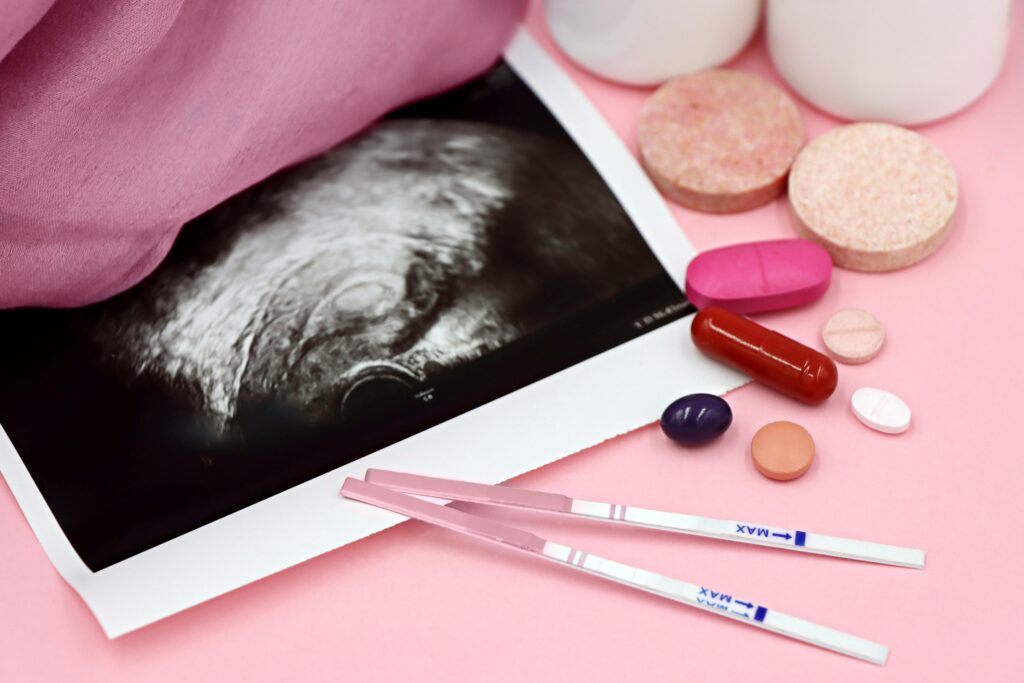
Introduction to Pregnancy Tests and Early Screening
If you are pregnant or planning to be, don’t wait for symptoms. Following a proper pregnancy tests checklist can make a huge difference in ensuring both mother and baby stay healthy.
Pregnancy is a delicate journey. While everything may seem fine on the outside, many complications develop silently. That’s why early and regular testing is not just recommended—it is essential.
Why Early Testing Matters in Pregnancy
First and foremost, early testing helps detect hidden conditions before they become dangerous. Many serious complications, such as infections or high blood pressure, often show no early warning signs.
Moreover, early diagnosis allows healthcare providers to act quickly. This means better treatment, proper monitoring, and safer outcomes for both mother and child.
Risks of Skipping Important Tests
On the other hand, skipping tests can lead to devastating consequences. Without proper screening:
- Serious infections may go unnoticed
- Pregnancy complications can worsen rapidly
- The baby’s development may be affected
Therefore, following a structured pregnancy tests checklist is one of the smartest decisions any expectant mother can make.
Malaria Testing in Pregnancy
Why Pregnant Women Are More Vulnerable
In malaria-endemic areas, pregnancy lowers immunity. As a result, women become more susceptible to malaria infections than usual.
Even more concerning, malaria during pregnancy can be more severe and harder to treat.
Risks of Untreated Malaria
If missed, malaria can lead to:
- Severe anaemia
- Miscarriage
- Stillbirth
- Low birth weight
For this reason, regular malaria testing is crucial, especially in high-risk regions.
Blood Group and Rhesus Factor Testing
Understanding ABO and Rh Compatibility
This test determines whether your blood is compatible with your baby’s blood. It screens for:
- ABO blood group
- Rh incompatibility
- Alloimmunization
Sometimes, the mother’s body may see the baby’s blood as “foreign” and produce antibodies against it.
Risks of Rh Incompatibility
If an Rh-negative mother carries an Rh-positive baby, complications may include:
- Severe fetal anaemia
- Hydrops fetalis
- Stillbirth
Therefore, early testing allows doctors to take preventive measures.
Blood Pressure Monitoring
Detecting Gestational Hypertension
Pregnancy increases pressure on the heart and blood vessels. Regular monitoring helps detect:
- Gestational hypertension
- Pre-eclampsia
Interestingly, pre-eclampsia often develops quietly.
Complications of Pre-eclampsia
If not detected early, it can lead to:
- Seizures
- Stroke
- Organ damage
- Early delivery
- Loss of mother and baby
Hence, checking blood pressure at every visit is essential.
Urinalysis in Pregnancy
Detecting Silent Infections
Urinalysis helps identify hidden issues such as:
- Protein in urine (proteinuria)
- Urinary tract infections
- Asymptomatic bacteriuria
Notably, these conditions may not cause pain.
Risks of Untreated Urinary Issues
If ignored, they can lead to:
- Kidney infections
- Premature birth
- Low birth weight
Syphilis Screening in Pregnancy
Importance of Early Detection
Syphilis can exist without symptoms but still pass to the baby. Thankfully, it is preventable when detected early.
Risks to the Baby
If missed, it may cause:
- Miscarriage
- Stillbirth
- Severe newborn infection
Learn more about maternal health guidelines from the World Health Organization.
Hepatitis B Screening
Mother-to-Child Transmission Risks
This test identifies mothers who may pass Hepatitis B during delivery.
Long-Term Effects on the Baby
If undetected:
- The baby may develop chronic infection
- This can lead to liver disease later in life
Blood Glucose Testing
Understanding Gestational Diabetes
Pregnancy affects how the body handles sugar. Testing includes:
- OGTT (Oral Glucose Tolerance Test)
- Fasting glucose
Risks of High Blood Sugar
If not managed, it can result in:
- Large baby (macrosomia)
- Difficult delivery
- Birth complications
- Low sugar in newborns
Obstetric Ultrasound Before 24 Weeks
Importance of Early Ultrasound
Ultrasound provides a clear picture of pregnancy progress. According to WHO, at least one scan before 24 weeks is recommended.
What Ultrasound Detects
It helps assess:
- Gestational age
- Fetal viability
- Multiple pregnancies
- Structural abnormalities
- Placental location
Without it, critical issues may go unnoticed.
Haemoglobin Electrophoresis
Screening for Genetic Blood Disorders
This test checks for inherited conditions such as:
- Sickle cell disease
- Other haemoglobin disorders
Risks of Undetected Conditions
If missed:
- Maternal complications may arise
- Genetic risks to the baby may go unnoticed
FAQs About Pregnancy Tests Checklist
1. When should I start pregnancy tests?
As soon as you confirm pregnancy or plan to conceive.
2. Are all these tests necessary?
Yes, they help detect hidden risks and ensure safe pregnancy outcomes.
3. How often should I visit the clinic?
Regular visits are recommended—usually monthly, then more frequently later.
4. Is ultrasound safe for the baby?
Yes, it is a safe and essential diagnostic tool.
5. Can I skip tests if I feel healthy?
No. Many complications show no symptoms.
6. What is the most important test?
All tests are important, but blood pressure and infections screening are critical.
Conclusion and Final Advice
In conclusion, following a complete pregnancy tests checklist is one of the best ways to protect both mother and baby. While some conditions may seem harmless at first, they can quickly become life-threatening if left undetected.
Therefore, don’t wait for symptoms. Instead, take proactive steps, attend regular check-ups, and complete all recommended tests.
After all, a healthy pregnancy leads to a healthy child—and that’s the goal every parent deserves.